What is Information Technology?
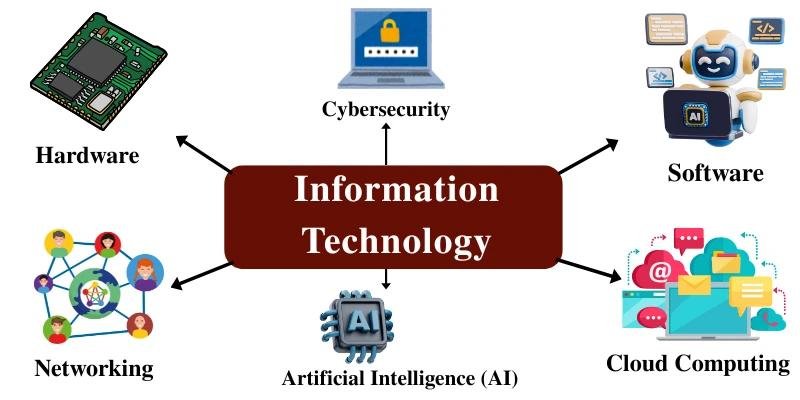
What is information technology? Information Technology, commonly known as IT, refers to the use of computers, software, networks, digital devices, and other technologies to create, collect, process, store, protect, and share information. In today’s digital world, information technology has become an essential part of businesses, education, healthcare, banking, communication, entertainment, and everyday life.
Thank you for reading this post, don't forget to subscribe!From sending an email to managing a hospital’s patient records, IT makes it possible to handle information quickly, efficiently, and securely.
What Is Information Technology in Simple Words?
In simple words, Information Technology is the use of technology to manage information.
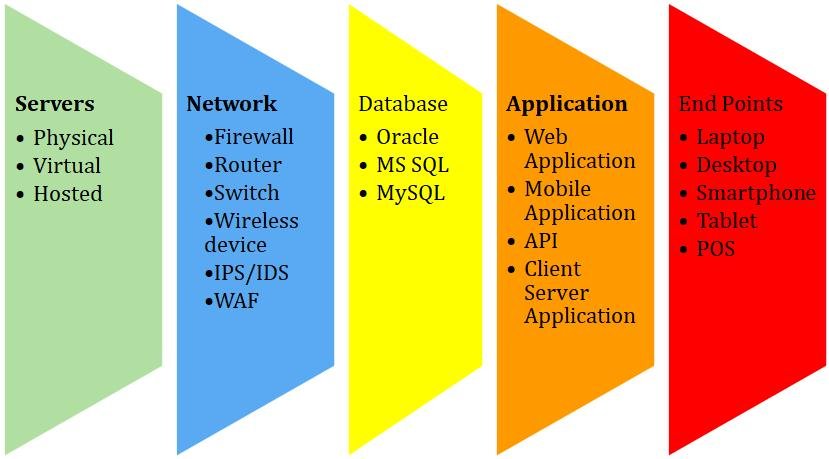
It includes the hardware, software, networks, databases, and systems that allow people and organizations to work with digital information.
For example, when you use a smartphone to search for information on Google, send a WhatsApp message, save a photo to cloud storage, or make an online payment, you are using information technology.
The main purpose of IT is to make information easier to create, access, process, communicate, and protect.
What Does Information Technology Include?
Waht is Information technology is a broad field that consists of several important areas?
The major components of IT include:
1. Computer Hardware
Hardware refers to the physical components of a computer or digital system. Examples include:
- Desktop computers
- Laptops
- Smartphones
- Servers
- Printers
- Keyboards and mice
- Storage devices
- Routers and network equipment
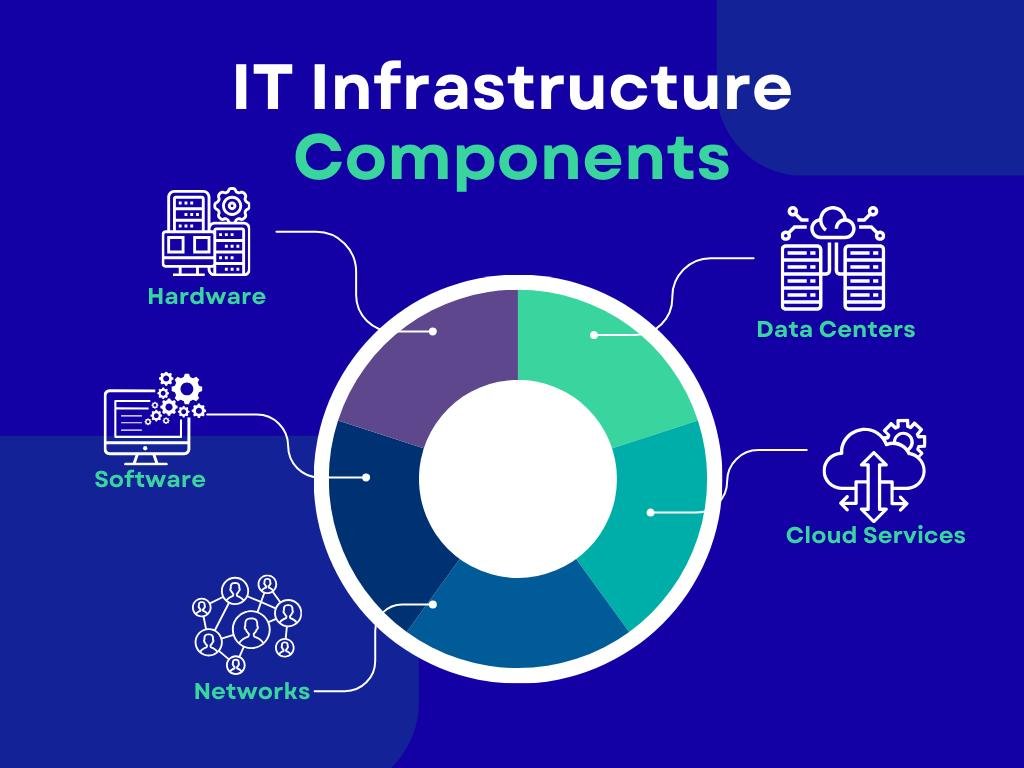
Hardware provides the physical foundation on which IT systems operate.
2. Software
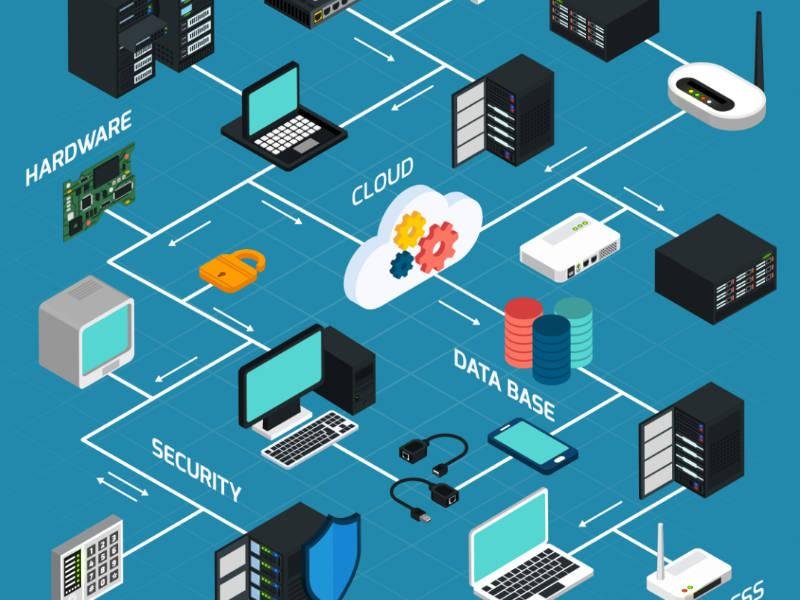
Software consists of programs and applications that tell computers what to do. Examples include operating systems, mobile applications, web browsers, office software, and business applications.
Popular examples include Windows, Android, Microsoft Office, web browsers, and thousands of other applications.
3. Computer Networking
Networking connects computers and digital devices so they can communicate and share information.
The internet is the world’s largest computer network. Organizations also use local networks, wireless networks, servers, routers, and other technologies to connect their systems.
4. Databases
A database is a structured system for storing and managing information.
Businesses may use databases to store customer information, sales records, employee details, inventory data, and financial information. Hospitals can use databases to manage patient records and laboratory information.
5. Cybersecurity
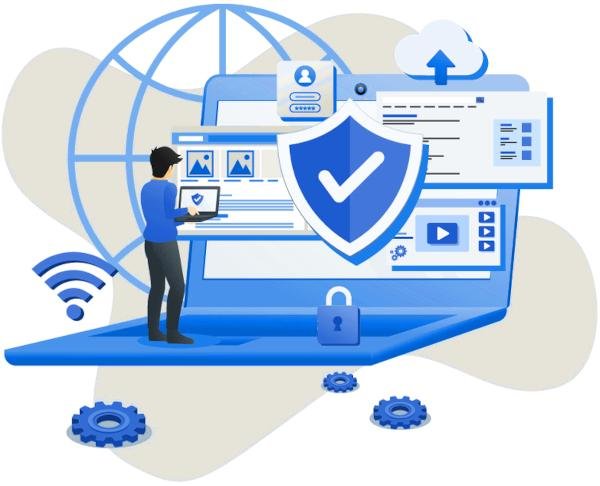
Cybersecurity is an important part of information technology that focuses on protecting computers, networks, applications, and data from unauthorized access, malware, hacking, and other digital threats.
As organizations store more information online, cybersecurity has become increasingly important.
6. Cloud Computing
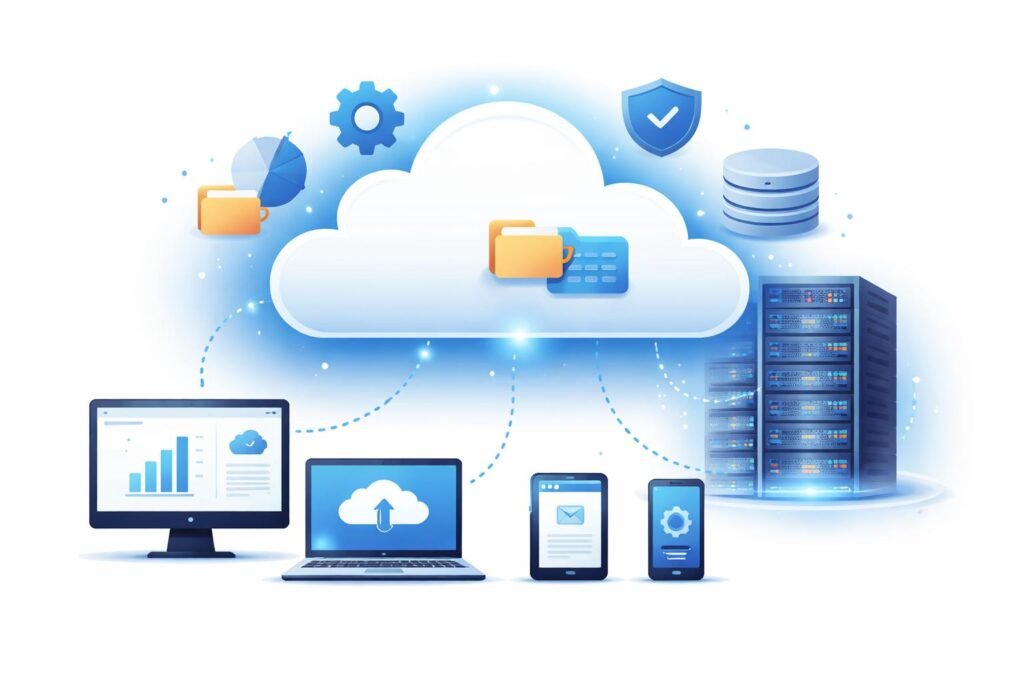
Cloud computing allows individuals and organizations to use computing resources and services through the internet.
Cloud services can provide online storage, servers, databases, software, and computing power without requiring users to maintain all the physical infrastructure themselves.
Why Is Information Technology Important?
What is Information technology has transformed the way people communicate, work, study, and conduct business.
One of the biggest advantages of IT is speed. Computers can process enormous amounts of information much faster than traditional manual methods.
IT also improves communication. Email, video conferencing, instant messaging, social media, and online collaboration tools allow people to communicate from almost anywhere in the world.
Another major benefit is data management. Organizations can store and analyze large amounts of information and use that information to make better decisions.
Information technology can also reduce repetitive work through automation, improve productivity, support remote work, and provide customers with faster digital services.
Information Technology in Everyday Life
What is information technology in everyday life?
For example, when you:
- Check your email
- Use online banking
- Order something online
- Watch a streaming service
- Use GPS navigation
- Attend an online class
- Store files in the cloud
- Use a smartphone application
- Search for information online
you are using information technology.
Modern smartphones are effectively powerful computing devices that combine hardware, software, networking, cameras, sensors, and internet services.
Information Technology in Healthcare
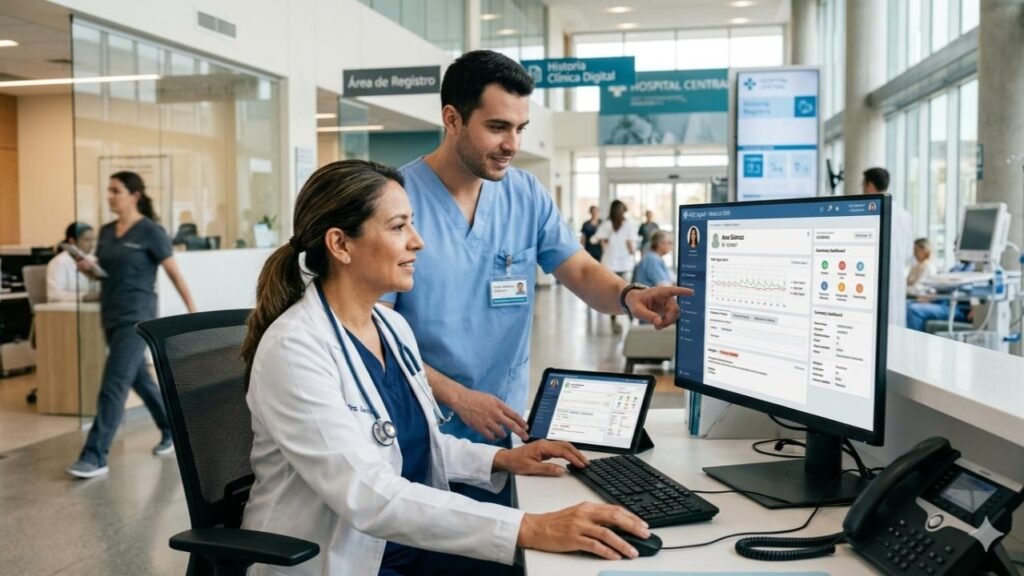
Healthcare is another important area where IT has made a significant difference.
Hospitals and healthcare organizations can use information technology for:
- Electronic health records
- Patient registration
- Laboratory information systems
- Pharmacy management
- Hospital management systems
- Digital medical imaging
- Telemedicine
- Appointment systems
- Health data analysis
For example, a hospital can use an electronic system to store patient information and allow authorized healthcare professionals to access relevant records when needed.
IT can therefore help healthcare organizations improve efficiency, communication, documentation, and patient services.
Information Technology in Business

Businesses rely heavily on information technology to operate efficiently.
Companies use IT for accounting, marketing, customer service, inventory management, communication, human resources, data analysis, and online sales.
E-commerce is a good example of how IT has changed traditional business. Customers can now search for products, compare prices, place orders, and make payments online.
Businesses also use websites, social media, search engine optimization, cloud platforms, and digital marketing to reach customers.
Careers in Information Technology
Information technology provides many career opportunities. Some common IT careers include:
- IT Support Specialist
- Software Developer
- Web Developer
- Network Administrator
- Database Administrator
- Cybersecurity Specialist
- Cloud Engineer
- Data Analyst
- Systems Administrator
- IT Project Manager
- Artificial Intelligence Specialist
The required education and skills vary depending on the career. Some positions require university degrees, while others can be entered through professional certifications, practical training, and experience.
Skills Needed for an IT Career
People interested in information technology can develop both technical and professional skills.
Important technical skills may include computer networking, programming, databases, cybersecurity, cloud computing, web development, and data analysis.
Communication, problem-solving, teamwork, critical thinking, and time management are also valuable because IT professionals frequently work with other departments and users.
Difference Between IT and Computer Science
Although Information Technology and Computer Science are closely related, they are not exactly the same.
Computer Science generally focuses more on computing theory, algorithms, programming, computational systems, and the development of new computing technologies.
Information Technology, on the other hand, is often more focused on implementing, managing, maintaining, and supporting technology systems that organizations use.
For example, a computer scientist might develop a new algorithm, while an IT professional might deploy and maintain the systems that an organization uses every day.
The Future of Information Technology
The future of IT is closely connected with emerging technologies such as Artificial Intelligence (AI), machine learning, cloud computing, cybersecurity, big data, automation, the Internet of Things (IoT), and advanced networking.
Artificial intelligence is already being used in areas such as customer support, data analysis, healthcare, education, content creation, and business automation.
As technology continues to develop, organizations will need skilled professionals who can understand, implement, manage, and secure digital systems.
Conclusion
So, what is Information Technology? Information Technology is the use of computers, software, networks, databases, and digital technologies to manage and communicate information.
IT is no longer limited to computer departments. It has become an essential part of modern society, influencing healthcare, education, business, banking, government, communication, and everyday life.
Whether you use a smartphone, work with computers, manage business data, study online, or access healthcare services, you are interacting with information technology.
As digital transformation continues, understanding Information Technology can provide valuable knowledge and open the door to a wide range of educational and career opportunities.

I’m reaching out to see if you’re open to a relevant link exchange.We can offer relevant link replacement from one of our website,while your websites can link to another suitable website in return.We’d aim to match the placement based on topical relevance and content fit.If you’re interested,I’d be happy send over a few options for you to review.
Hi Alden W., Thanks for reaching out. We aren’t accepting link exchange requests at this time.
Hey team aioguides.com,
I came across your Website, when searching on Google and noticed that you do not show in the organic listings.
We help businesses rank higher on Google while also increasing their presence on AI-powered search platforms like ChatGPT, Gemini, Claude, and Perplexity.
Our SEO + AEO + GEO strategies help brands get discovered wherever customers search for answers.
May I send you a quote & price list?
Cheers,
Ishaan Dev | Founder & Project Head
Hi aioguides.com,
With your permission I would like to send you a SEO Report for aioguides.com with prices showing you a few things to greatly improve these search results for you.
These things are not difficult, and my report will be very specific. It will show you exactly what needs to be done to move you up in the rankings dramatically.
If interested. May I send you a quote/package/proposal.?
Thanks & Regards,