What Are Intelligent Transportation Systems?
Thank you for reading this post, don't forget to subscribe!- Intelligent Traffic Management Systems
How Smart Traffic Signals Work - Advanced Transportation Safety Systems
Accident Prevention and Emergency Response - Smart Public Transportation Systems
Real-Time Passenger Information - Intelligent Vehicle and Navigation Technology
- Smart Parking and Electronic Toll Collection
- Transportation Data and Artificial Intelligence
- Sustainable and Eco-Friendly Transportation
Benefits of Intelligent Transportation Systems
Challenges of Intelligent Transportation Systems
Future Trends in Intelligent Transportation
Conclusion
Frequently Asked Questions
Introduction
Intelligent Transportation Systems ever been caught in traffic, spent twenty minutes looking for a parking spot, or reached a bus stop only to find that your bus was running late? These common issues highlight the necessity for more than just roads and cars for modern mobility. To enhance how transportation systems function, Intelligent Transportation Systems (ITS) make use of digital technologies, communication networks, sensors, cameras, and data analysis. They assist transportation authorities in keeping an eye on traffic conditions, offering helpful travel information, enhancing road safety, and more efficiently managing transportation resources.
What Are Intelligent Transportation Systems?
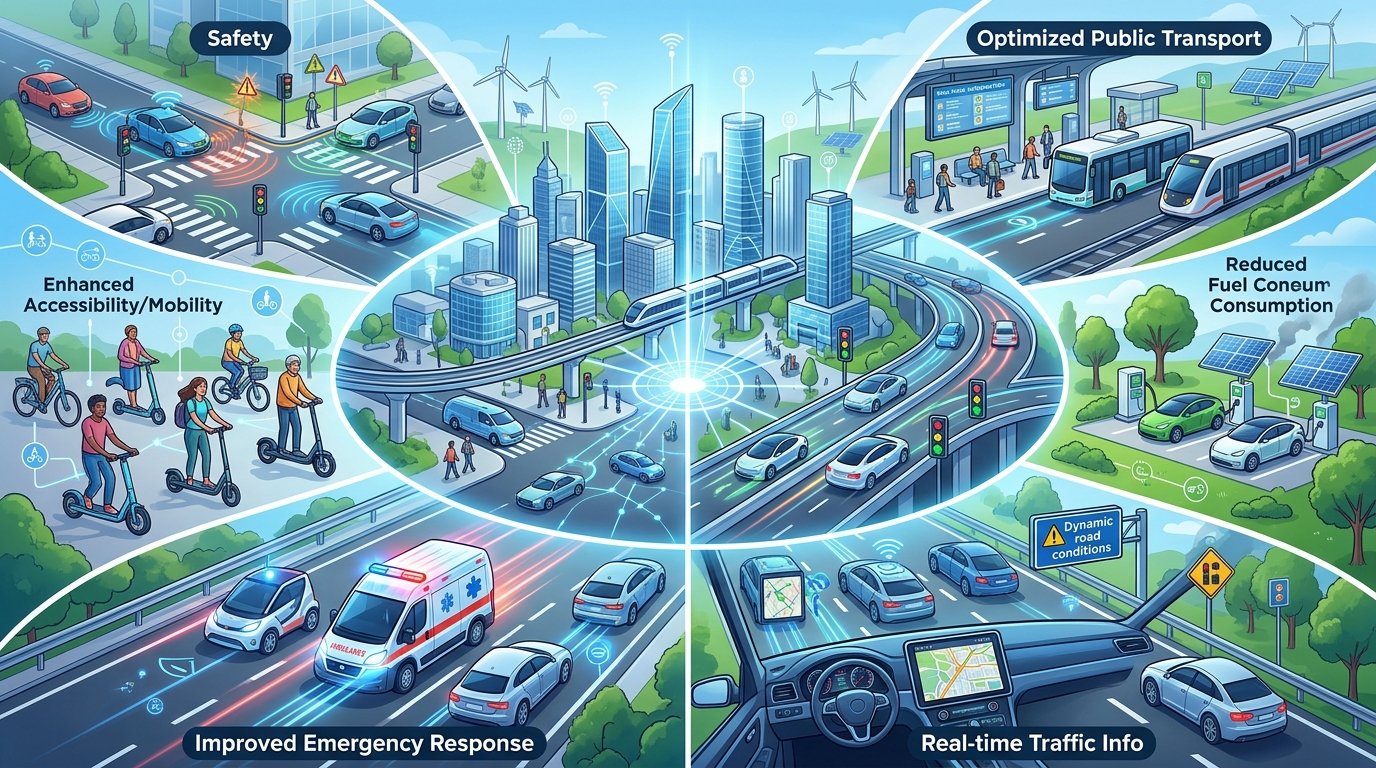
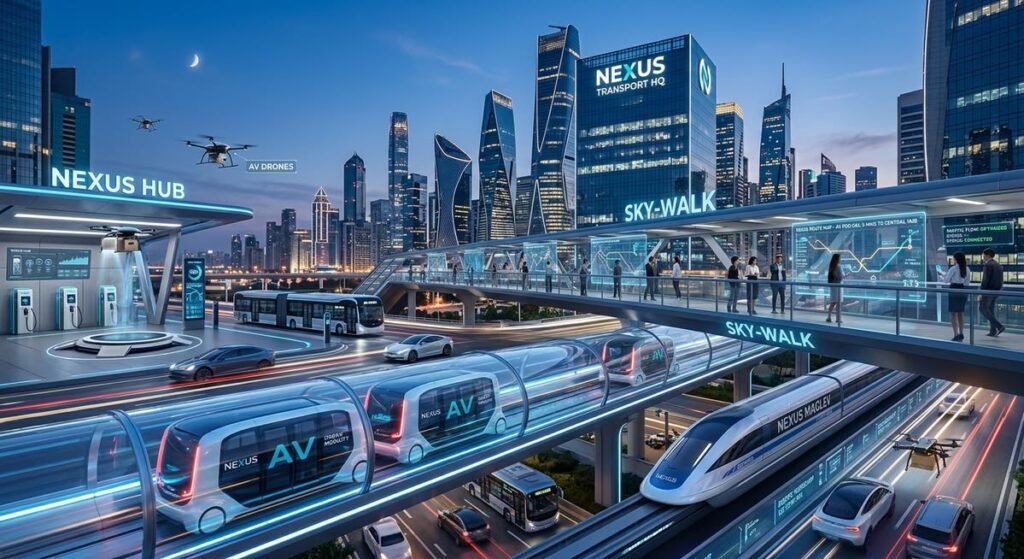
In order to enhance the flow of people and products, intelligent transportation systems integrate information processing and communication networks with transportation infrastructure. Roadside sensors, traffic cameras, GPS navigation, digital signs, connected cars, traffic control software, and electronic payment systems are a few examples. Travelers and transportation operators can make better judgments thanks to the information these technologies gather and share. Intelligent Transportation Systems can employ up-to-date information to adapt to changing situations, in contrast to traditional transportation systems that might mostly rely on set schedules and human observation.
- Intelligent Traffic Management Systems
One of the most significant uses of Intelligent Transportation Systems is intelligent traffic management, which enables authorities to better control traffic and keep an eye on road conditions. Even though traffic demand varies throughout the day, traditional traffic lights may still follow set timetables. To give a more up-to-date view of road conditions, intelligent traffic management systems can make use of cameras, road sensors, linked cars, and traffic analysis software.
How Smart Traffic Signals Work
Intelligent Transportation Systems help determine when traffic lights should change, smart traffic signals employ data from sensors, cameras, or other linked equipment. For instance, an adaptive signal controller may modify green-light timing within its predetermined safety limits if one direction of an intersection has a long line of cars while another direction has very little traffic. Additionally, some systems can provide emergency vehicles with a more efficient path through an intersection or give priority to busses. When designing signals, pedestrians and cyclists must be taken into account to ensure that their safety is not compromised in the name of traffic efficiency. By enabling vehicles and infrastructure to share pertinent data, connected vehicle technology may significantly enhance the information available to traffic controllers.
- Advanced Transportation Safety Systems
Another significant area where intelligent transportation systems can have an impact is road safety. Numerous variables, such as excessive speed, distracted driving, poor visibility, hazardous road conditions, and delayed emergency services, can cause traffic crashes. ITS systems can assist law enforcement in locating hazardous areas, keeping an eye on odd traffic patterns, and alerting drivers to potential dangers. Road sensors and cameras can assist in identifying crashes or stopped cars, and linked car systems can exchange specific alerts about potential dangers. Additionally, some cars have driver assistance systems including automated emergency braking, lane departure alarms, and forward collision warnings.
Accident Prevention and Emergency Response
Imagine a car becoming stuck in a congested highway lane. A traffic management center may be able to notify operators and emergency services if the obstacle is detected by roadside cameras or vehicle detection devices. Drivers can be alerted by digital signs or linked navigation systems to slow down or choose a different route. Systems that give emergency vehicles signal priority can make it easier for responders to navigate crossings in the right places. Additionally, severe rain, slick roads, fog, and other dangers that impact driving conditions may be detected by weather sensors.
- Smart Public Transportation Systems
Intelligent Transportation Systems tools are used by smart public transportation systems to enhance the performance of metro services, busses, trains, and other shared transportation options. They assist transport operators with scheduling, communicating service updates, keeping an eye on vehicle positions, and reacting to delays. Passengers may miss connecting services or waste time waiting at stops if they don’t have appropriate information. By offering journey-planning tools, electronic ticketing, service notifications, and predicted arrival times, intelligent transportation technology can increase predictability. Vehicle location data can be used by operators to determine whether services are operating on time and to spot persistent issues. Additionally, some systems employ demand estimates and passenger counts to assist identify areas that might require extra services.
Real-Time Passenger Information
Travelers can use a mobile application, website, station display, or electronic sign to verify the current status of a bus, rail, or other transportation service thanks to real-time passenger information. For instance, a traveler can determine whether a scheduled connection is still feasible, whether a bus is on its way, or whether a train has been delayed. To determine predicted arrival times, transportation agencies may integrate schedules, operational data, and GPS-based vehicle positions. Passengers should be aware that these estimates are forecasts rather than guaranties because they may alter in response to changes in traffic, vehicle availability, or service interruptions.
- Intelligent Vehicle and Navigation Technology
Drivers can plan routes, communicate with transit systems, and comprehend their surroundings with the aid of intelligent car and navigation technologies. One well-known example is GPS navigation, which enables users to locate destinations, calculate travel durations, and find other routes in the event that traffic conditions change. Location data, traffic statistics, road closures, weather, and speed limits can all be combined by sophisticated systems. By facilitating communication between cars, roadside infrastructure, and other connected devices, connected vehicle technology expands on this concept. Depending on the system, this data could help with traffic coordination, hazard alerts, or better driving choices. Additionally, certain cars enable adaptive cruise control, lane maintenance, parking assistance, and collision avoidance through sensors and software. These features differ greatly, and completely autonomous driving is not the same as driver assistance. According to the U.S. Department of Energy, in some applications, networked and autonomous vehicles may present chances to enhance traffic flow, vehicle efficiency, and safety.
- Smart Parking and Electronic Toll Collection
Intelligent Transportation Systems enable operators to more effectively manage parking facilities and assist drivers in finding vacant spots. These systems may show which places are occupied via sensors, cameras, digital signage, or payment apps, depending on the installation. The information can help drivers find parking more quickly. whereas facility managers are able to control available capacity and keep an eye on consumption. While features differ by region, some parking systems allow reservations or electronic payments. In places where demand varies during the day, such as shopping centers, hospitals, airports, commercial districts, and major public facilities, smart parking can be extremely helpful. Authorities can use it to develop future facilities and comprehend parking patterns. However, precise information and practical payment methods are crucial; an out-of-date display may direct drivers to unavailable spots.
- Transportation Data and Artificial Intelligence
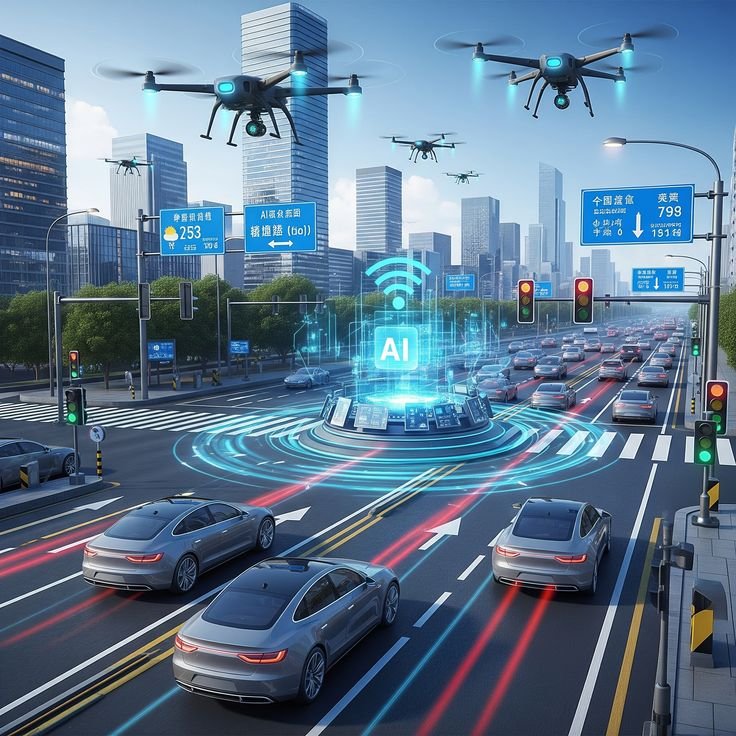
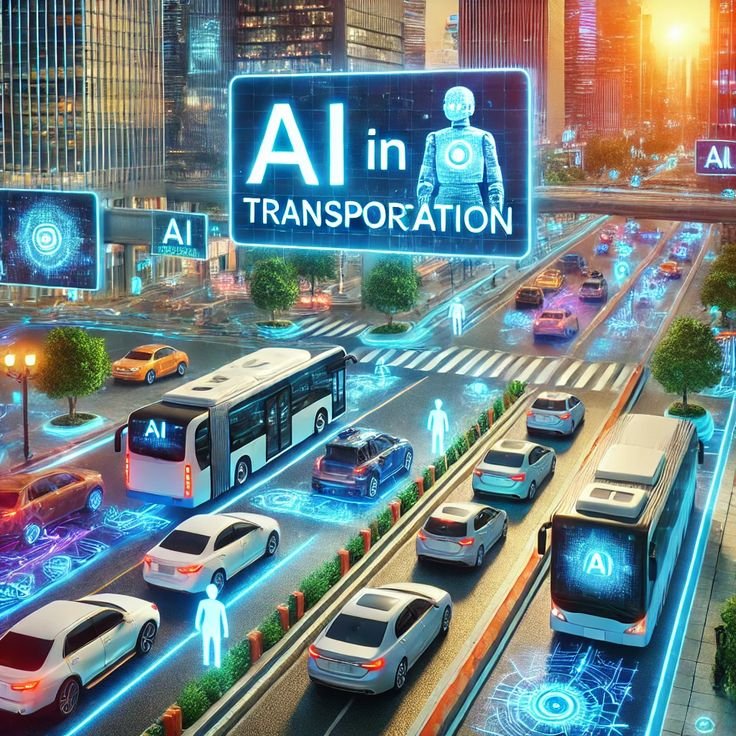
Intelligent Transportation Systems are Vehicle sensors, GPS units, cameras, ticketing platforms, weather stations, and road monitoring equipment all contribute to the massive volumes of data generated by transportation systems. Transportation organizations can use data analytics and artificial intelligence (AI) to analyze this data in order to spot trends, predict demand, and assist with operational choices. For instance, to predict where congestion is likely to occur, algorithms may examine past and present traffic conditions. Service data can be used by transit operators to identify cars that require maintenance or to forecast delays.
- Sustainable and Eco-Friendly Transportation
By minimizing needless delays, enhancing public transportation operations, and optimizing the use of current infrastructure, intelligent transportation systems can promote more sustainable mobility. Under the right circumstances, cars that stop and accelerate frequently or spend less time idling may use less energy. While traffic management techniques can assist in coordinating vehicle movement at intersections, navigation systems can recommend effective routes. Information on electric car charging, fleet management, and the integration of various forms of transportation can all be supported by connected systems. For instance, instead of driving the whole trip, a tourist may be able to combine a bus ride with walking or cycling with the use of a journey-planning software. These choices can increase comfort while aiding larger initiatives to lessen traffic jams and emissions associated with transportation. Effective routing and sophisticated signal control are strategies that could increase transportation energy efficiency, according to the U.S. Department of Energy.
7 Powerful Benefits of Intelligent Transportation Systems
- Reduced Traffic Congestion
Transportation authorities can adapt to changing road conditions and identify traffic bottlenecks with the use of ITS. When used effectively, adaptive traffic signals, congestion monitoring, and route information may minimize needless delays. Instead of depending solely on costly road extension projects, operators can use existing roads more efficiently with improved traffic management.
- Improved Road Safety
Driver assistance technologies, electronic warning signs, connected car notifications, and event detection can all help individuals react to possible dangers. When it comes to collisions, road closures, or hazardous weather, these tools could offer helpful information. Reliable data, appropriate equipment, and conscientious drivers are essential to their efficacy.
- Better Public Transportation
Busses and trains can be made more user-friendly with fleet tracking, computerized ticketing, and real-time arrival information. Operators are able to keep an eye on service performance, spot delays, and modify procedures as needed. Clearer travel information and maybe shorter wait times are advantageous to passengers.
- More Efficient Travel
Users can choose appropriate routes and comprehend road conditions with the aid of navigation software and transportation monitoring systems. These technologies can be used by businesses to manage car fleets and arrange deliveries. Although outcomes depend on traffic demand and the caliber of the information supplied, efficient travel can save time and lower some operating costs.
- Lower Energy Consumption in Suitable Applications
In some situations, better fleet coordination, efficient routing, and improved traffic flow may result in lower fuel consumption. Because energy consumption is influenced by a variety of factors, including vehicle type, driving habits, traffic, and travel demand, these advantages are not assured. ITS functions best when included in a larger plan for effective and sustainable transportation.
- Faster Incident Response
Authorities can spot incidents and organize emergency responses with the aid of connected communication systems, traffic cameras, and road sensors. Emergency personnel may be able to reach impacted areas and alert oncoming traffic with timely information. Road conditions, personnel availability, and emergency service resources continue to influence the actual response time.
- Smarter Transportation Planning
Information gathered can be used by transportation organizations to assess infrastructure performance, comprehend travel trends, and pinpoint future requirements. Where more bus services, safer junctions, or road repair are needed may be found with the aid of data analysis. Effective planning integrates expert judgment, community input, and technology-generated insights.
Challenges of Intelligent Transportation Systems
Cities and transportation authorities must overcome obstacles before and throughout the adoption of intelligent transportation systems, notwithstanding their potential. Projects may need sensors, cameras, communication networks, software, control centers, and trained personnel, which might result in a large initial cost. While larger businesses could have trouble integrating modern equipment with outdated infrastructure, smaller cities might find it difficult to finance these resources. System compatibility and equipment changes are two obstacles that can restrict the implementation and benefits of ITS, according to the U.S. Government Accountability Office.
Several developments are particularly important:
Vehicle-to-everything communication, or V2X, enables connected road users, infrastructure, and other vehicles to share pertinent information.
AI-powered traffic prediction: Makes use of data analysis to support traffic management choices, identify incidents, and forecast congestion.
In order to provide driver assistance and, on occasion, autonomous driving capabilities, connected and automated vehicles integrate sensors, software, and communication technology.
Applications for smart mobility: Combine information on public transit, trip planning, and other travel services.
Monitoring and analysis are used in predictive infrastructure maintenance to find any equipment or infrastructure issues before they arise.
Transportation planning, vehicle operations, energy management, and charging data are all connected via intelligent electric vehicle infrastructure.
How Intelligent Transportation Systems Work in Smart Cities
Information and communication technology are used in smart cities to enhance public safety, energy, transportation, and infrastructure management. Because they link traffic lights, automobiles, road sensors, public transportation, and digital information services, intelligent transportation systems are a crucial component of this strategy.
For instance, a city might utilize electronic signs to alert vehicles to road closures, roadside sensors to track traffic flow, and GPS data to predict bus arrival times. By combining data from these various sources, a central traffic management platform can assist operators in comprehending network activity. Software may modify signal timings or send out alerts in accordance with predetermined guidelines when systems allow automated replies.
The ability to base transportation decisions on a more comprehensive understanding of the network is the primary benefit of integration. For example, a road closure may simultaneously impact emergency vehicle routes, bus schedules, and neighboring crossroads. Different agencies might coordinate their replies by exchanging pertinent information. Integration, however, necessitates compatible systems, distinct roles, trustworthy communications, and suitable personal data protection.
Instead than buying equipment just because it’s new, smart cities should implement intelligent transportation technology based on their real demands. Better passenger information and dependable bus tracking may be more beneficial to a city with limited public transit than an expensive automated traffic network. The best course of action relies on local travel trends, infrastructure, resources, and resident demands.
Conclusion
The way that people, cars, and transportation infrastructure share information and adapt to changing circumstances is being revolutionized by Intelligent Transportation Systems (ITS). These technologies provide useful ways to enhance transportation management, from connected cars and smart traffic signals to tracking public transportation, electronic toll collection, and AI-powered traffic analysis.
This article’s seven applications show how ITS may promote safer roadways, lessen specific travel delays, enhance passenger data, and assist transportation organizations in making better decisions. For these systems to provide long-term benefits, high installation costs, cybersecurity threats, privacy issues, and compatibility issues must be resolved.
Intelligent systems will become more crucial to smart cities and contemporary mobility as transportation technology advances. Technology won’t be the only factor in the best solutions. Reliable data, careful infrastructure planning, skilled personnel, robust security, and easily available services will all be combined. Understanding ITS is a helpful first step toward learning how digital innovation can contribute to the creation of more effective, connected, and sustainable transportation networks for students and novices investigating transportation technology.
Frequently Asked Questions (FAQs)
- What are Intelligent Transportation Systems?
Intelligent Transportation Systems are technologies that enhance transportation efficiency, safety, and management through the use of sensors, software, communication networks, and data analysis. Smart traffic signals, GPS navigation, networked cars, and computerized toll collection are a few examples.
- What are the main types of Intelligent Transportation Systems?
Smart parking, electronic toll collection, vehicle and navigation technology, intelligent traffic management, transportation safety systems, smart public transportation, and transportation data analytics are some of the main categories.
- What are the benefits of Intelligent Transportation Systems?
ITS may enhance public transit, lower traffic delays, promote road safety, offer real-time trip information, and improve the efficiency of transportation planning. Implementation, infrastructure, and local travel circumstances all affect the outcome.
- How does artificial intelligence help Intelligent Transportation Systems?
AI is capable of analyzing traffic data, predicting congestion, identifying possible incidents, supporting route design, and assisting transportation operators in anticipating maintenance requirements. Appropriate data, testing, and human oversight are necessary for AI-based suggestions.
- What is the future of Intelligent Transportation Systems?
More linked cars, sophisticated traffic forecasting, vehicle-to-everything connectivity, automated driving, and integrated smart mobility services are possible future advances. Safety, cost, infrastructure, cybersecurity, and public acceptance will all play a role in their widespread adoption.