
Digital communication tools have made this transformation possible. People can now send messages, share documents, attend meetings, collaborate on projects, and communicate with customers from almost anywhere.
From messaging applications and email platforms to video conferencing software and social media, these tools have become an important part of everyday life. Students use them for learning, professionals use them for teamwork, and businesses use them to communicate with customers and employees.
This article explains what tools are, the major types available, their benefits, challenges, and how to choose the right tools for different needs.
What Are Digital Communication Tools?
Digital communication tools are software applications, online platforms, and technologies that allow people to exchange information electronically. They can be used to send text messages, emails, voice recordings, videos, images, documents, and other forms of digital content.
Unlike traditional communication methods, digital communication can happen almost instantly. A person in Pakistan can communicate with someone in the United States, the United Kingdom, or any other part of the world within seconds.
Common examples include:

- Email platforms
- Instant messaging applications
- Video conferencing software
- Social media platforms
- Team collaboration tools
- Project management applications
- Online discussion forums
- Cloud-based file-sharing services
These technologies have changed the way individuals, organizations, schools, and businesses communicate.
Why Are Digital Communication Tools Important?
The importance of digital communication has grown significantly with the expansion of smartphones, internet services, remote work, and online education.
One major advantage is speed. Information can be shared within seconds rather than waiting for traditional delivery methods.
Another important benefit is accessibility. People can communicate from home, offices, schools, hospitals, or while traveling, provided they have an internet connection or suitable digital service.
Digital communication also makes collaboration easier. Multiple people can work on the same project, exchange ideas, share files, and provide feedback without being physically present in the same location.
For businesses, effective communication can improve customer service, employee coordination, marketing, and overall productivity.
Major Types of Digital Communication Tools
There are many different types of tools, and each serves a specific purpose described on aioguides.com
1. Email Communication
Email remains one of the most widely used forms of online communication. It is particularly useful for professional and formal communication.
Businesses use email to communicate with employees, clients, suppliers, and partners. Students use it to contact teachers and submit assignments.
Email is useful because it allows users to:
- Send detailed messages
- Attach documents and images
- Keep records of conversations
- Communicate professionally
- Reach multiple recipients
Although newer communication technologies have become popular, email continues to play an important role in personal and professional communication.
2. Instant Messaging Apps
Instant messaging tools allow users to exchange messages in real time. They are especially useful for quick conversations and informal communication.
Users can generally send:
- Text messages
- Photos
- Videos
- Documents
- Voice messages
- Links
- Emojis
Messaging platforms have also become valuable for businesses. Customer support teams can communicate directly with customers, while employees can use group chats to coordinate daily activities.
3. Video Conferencing Tools

Video conferencing has become an essential part of modern communication, especially for remote work and online education.
Instead of traveling to a physical meeting, participants can communicate through video and audio over the internet.
Video conferencing tools can support:
- Online classes
- Business meetings
- Job interviews
- Training sessions
- Webinars
- Team discussions
- Consultations
Screen sharing and digital presentations can make these meetings more interactive and productive.
4. Social Media Platforms

Social media has transformed communication between individuals, communities, and organizations.
Platforms such as Facebook, Instagram, LinkedIn, TikTok, and X allow people to publish and share information with large audiences.
Businesses use social media communication for:
- Brand awareness
- Customer engagement
- Product promotion
- Public announcements
- Feedback collection
- Digital marketing
However, social media also requires responsible communication because information can spread very quickly.
5. Team Collaboration Tools
Modern workplaces often rely on collaboration platforms to keep employees connected.
These tools can combine messaging, file sharing, task management, calendars, and project discussions in one digital environment.
They are particularly helpful for teams working from different locations because everyone can access relevant information without relying entirely on lengthy email conversations.
6. Cloud File-Sharing Tools
Communication is not limited to words. Documents, spreadsheets, presentations, images, and other files also need to be shared.
Cloud-based file-sharing services allow users to store files online and give authorized people access to them.
This can reduce the need for repeatedly sending large attachments and makes collaborative work easier.
Benefits of Digital Communication Tools
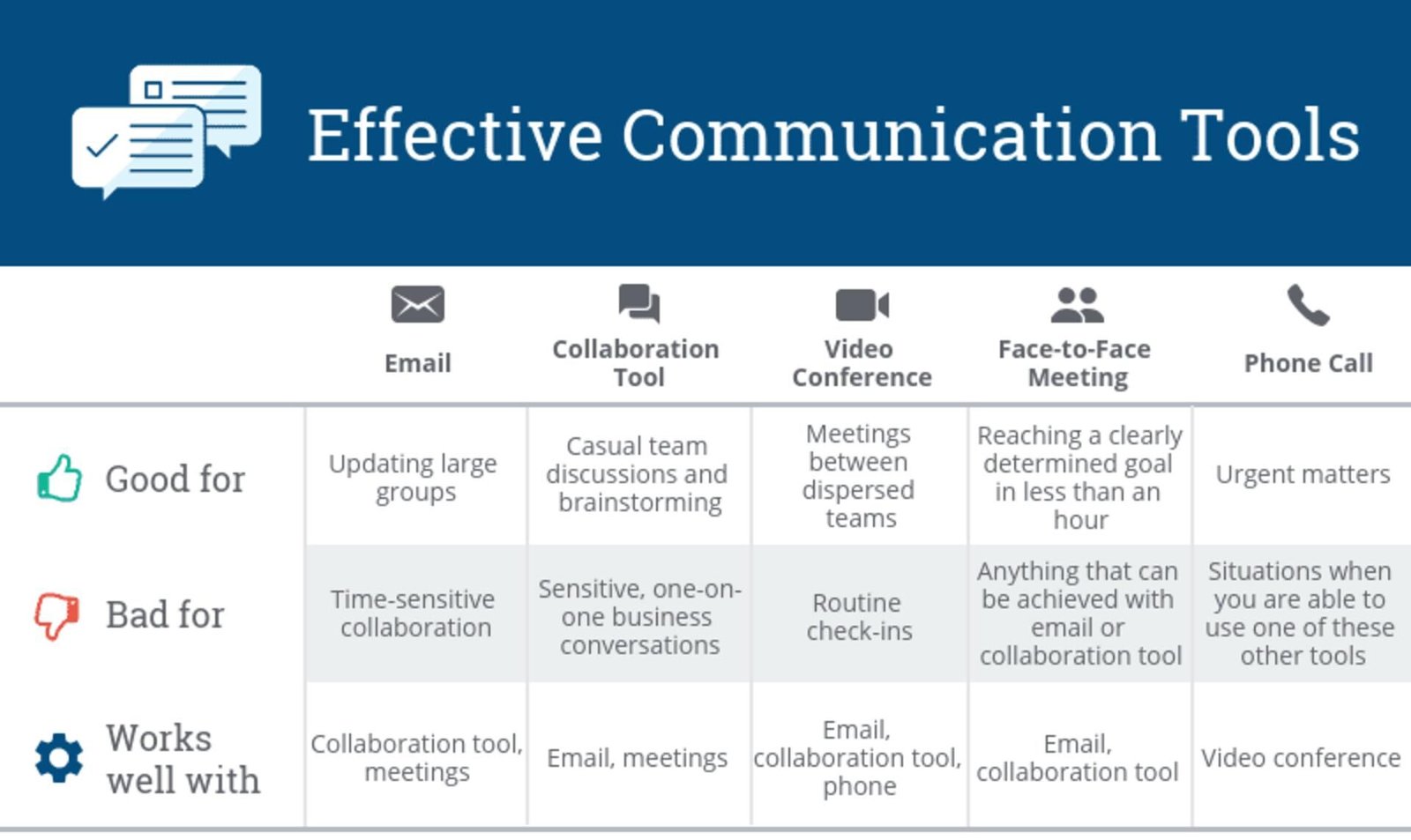
The growing popularity of these technologies is largely due to their practical advantages.
Faster Communication
Messages can travel almost instantly. This is particularly important in workplaces where quick decisions may be required.
Better Collaboration
Teams can communicate and work together even when members are located in different cities or countries.
Lower Communication Costs
Online communication can reduce expenses related to travel, printing, postage, and traditional meetings.
Greater Flexibility
Employees and students can often communicate and collaborate from different locations and at different times.
Easy Information Sharing
Digital platforms make it simple to distribute documents, images, videos, presentations, and other information.
Global Connectivity
Digital communication removes many geographical barriers. A small business can communicate with customers and partners around the world without establishing a physical presence in every location.
Digital Communication in Education
Education has also been significantly influenced by this.
Teachers can conduct online classes, distribute learning materials, communicate with students, and provide feedback through digital platforms.
Students can participate in virtual classrooms, join discussion groups, submit assignments, and communicate with classmates.
This is particularly useful for distance learning and students who cannot regularly attend physical classes.
However, effective online education requires reliable internet access, appropriate devices, and digital literacy.
Digital Communication in Business
Businesses depend heavily on effective communication. Digital tools have made it easier for companies to connect employees, customers, suppliers, and business partners.
A company can use email for formal communication, messaging platforms for quick discussions, video meetings for remote teams, and social media for customer engagement.
Digital customer communication can also help businesses understand consumer needs and respond to complaints more quickly.
For small businesses, these tools can be especially valuable because they provide affordable ways to compete with larger organizations.
Challenges of Digital Communication
Despite its many advantages, digital communication also has some disadvantages.
Information Overload
Receiving too many messages, notifications, emails, and updates can become stressful and reduce productivity.
Privacy and Security Risks
Phishing, malware, scams, and unauthorized access can target digital accounts. Users should therefore use strong passwords, two-factor authentication, and trusted platforms.
Misunderstandings
Written messages do not always communicate emotions or intentions clearly. A short message can sometimes sound rude even when that was not the sender’s intention.
Dependence on Internet Access
Many digital communication services require a stable internet connection. Poor connectivity can interrupt meetings, delay messages, or prevent access to important information.
Reduced Face-to-Face Interaction
Excessive dependence on digital communication may reduce personal interaction. For sensitive or complicated conversations, face-to-face communication can sometimes be more effective.
How to Choose the Right Digital Communication Tool
There is no single communication tool that is perfect for everyone. The right choice depends on the purpose.
Before selecting a platform, consider:
Purpose: Is it for messaging, meetings, education, customer service, or teamwork?
Ease of use: Can users understand and operate the platform without extensive training?
Security: Does it provide appropriate privacy and account protection?
Cost: Is the service affordable for individuals or organizations?
Features: Does it provide the functions actually required?
Compatibility: Does it work properly on computers, smartphones, and other devices?
Choosing a tool based on actual requirements rather than popularity can improve communication and productivity.
The Future of Digital Communication
Digital communication will continue to evolve as technology develops. Artificial intelligence, automation, improved video technology, and real-time translation are already changing how people interact online.
Future communication platforms may become more personalized and intelligent. AI-powered assistants could help organize messages, summarize meetings, translate conversations, and identify important information.
At the same time, privacy, cybersecurity, and responsible technology use will become increasingly important.
The goal should not simply be to use more communication tools. Instead, individuals and organizations should use technology intelligently to make communication clearer, faster, safer, and more meaningful.
Conclusion
Digital communication tools have become an essential part of modern life. From email and instant messaging to video conferencing, social media, and collaboration platforms, these technologies have made communication faster and more accessible than ever before.
They provide significant benefits for education, business, remote work, customer service, and personal communication. However, users must also be aware of challenges such as information overload, privacy concerns, security threats, and misunderstandings.
Ultimately, successful digital communication is not about using the largest number of applications. It is about choosing the right tools, using them responsibly, and maintaining clear and respectful communication. As technology continues to advance, digital communication will remain a powerful force connecting people, organizations, and communities around the world