
Introduction to Green Technology
What Is Green Technology?
Why Is Green Technology Important?
Seven Powerful Types of Green Technology
- Solar Energy Technology
- Wind Energy Technology
- Electric Vehicles and Green Transportation
- Energy-Efficient Buildings
- Waste Management and Recycling Technology
- Water Conservation Technology
- Battery Storage and Smart Energy Systems
Major Benefits of Green Technology
Environmental Benefits
Economic Benefits
Challenges of Green Technology
Green Technology in Everyday Life
Green Technology in Businesses
The Role of Governments in Green Technology
Green Technology and Renewable Energy
The Future of Green Technology
How Individuals Can Support Green Technology
Conclusion
Frequently Asked Questions
Introduction to Green Technology
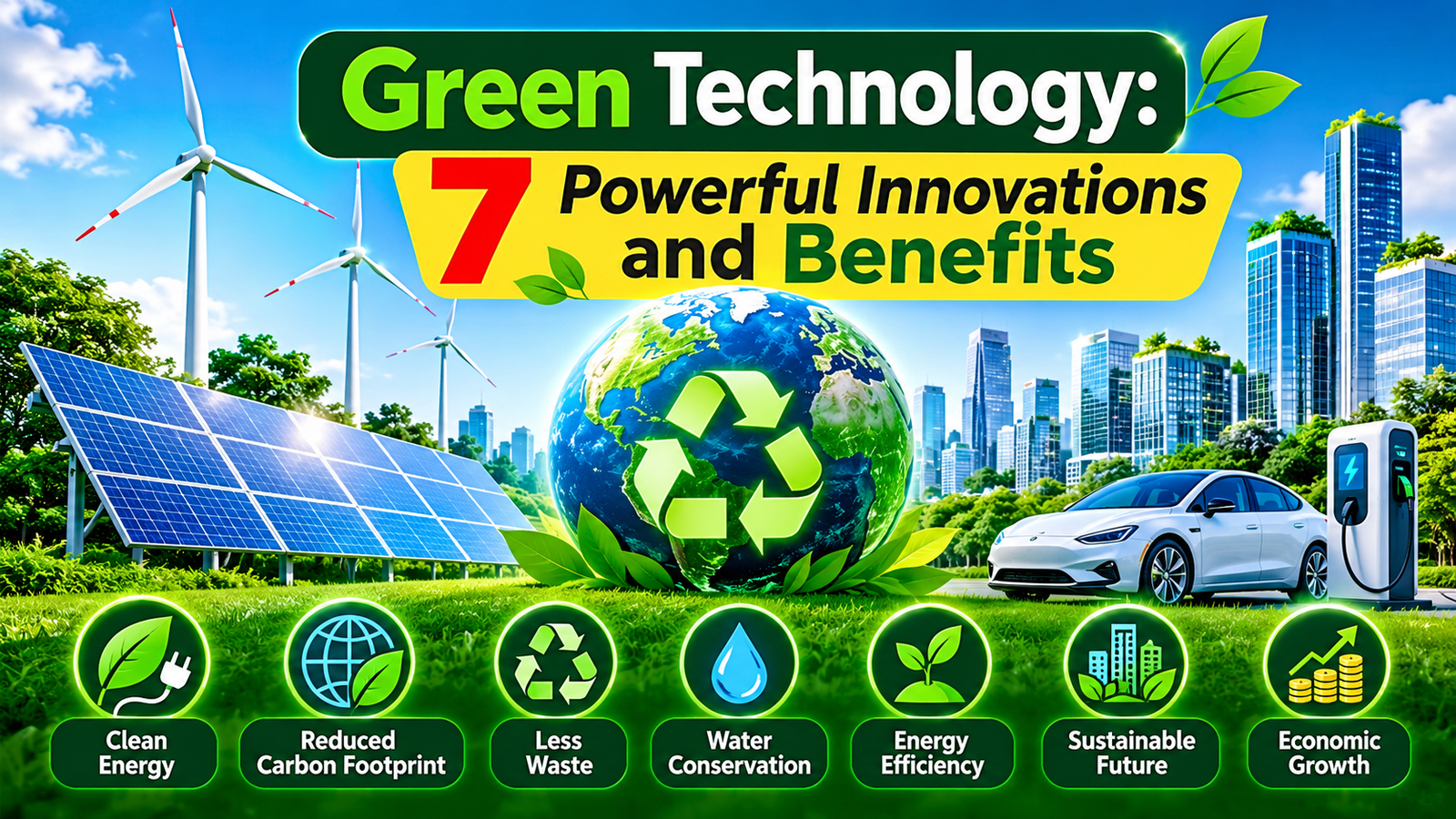
Green technology is revolutionizing energy production, transportation, building construction, waste management, and resource conservation. Conventional methods produce pollutants and frequently rely on fossil fuels. Green technologies seek to lessen negative effects on the environment while promoting social and economic advancement.
Green technology is a key field of innovation due to the increasing demand for sustainable solutions, energy-efficient products, and clean energy. Technologies that can lessen environmental harm include solar panels, wind turbines, electric cars, smart thermostats, and water-saving devices.
What Is Green Technology?
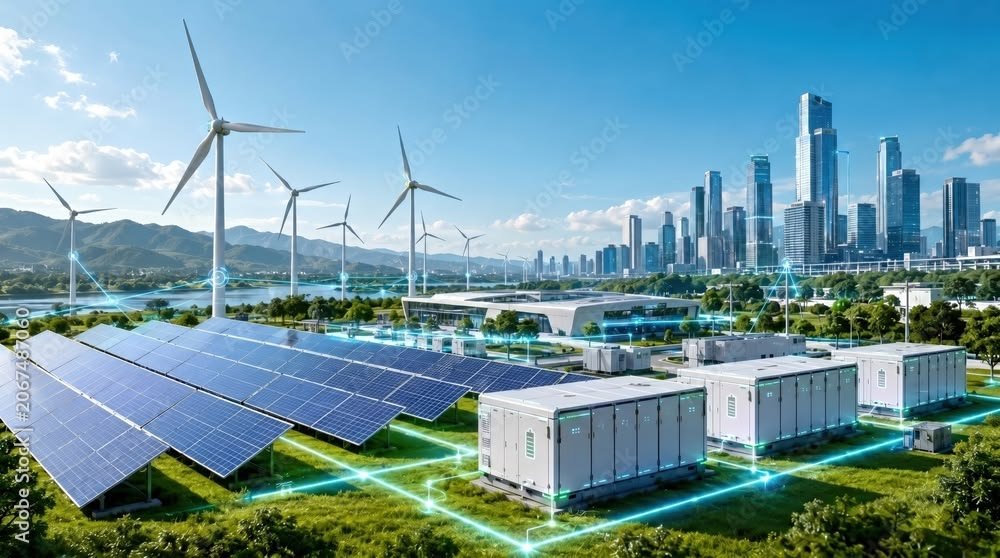
Green technology, sometimes referred to as environmental technology or sustainable technology, describes goods, methods, and procedures intended to reduce negative effects on the environment. Its primary goals are to promote long-term sustainability, lessen pollution, and make better use of resources.
Green technology encompasses various domains:
Production of renewable energy
Buildings and appliances that use less energy
The use of electric vehicles
Reducing waste and recycling
Water conservation and purification
Sustainable farming
Intelligent energy management
These technologies can help individuals and organizations make more responsible decisions about energy consumption and natural resources.
Why Is Green Technology Important?
Green technology is crucial because environmental issues impact ecosystems, economies, and societies globally. Water scarcity, excessive waste, air pollution, and climate change are issues that call for creative and workable solutions.
Reducing reliance on fossil fuels is one of the main benefits of green technology. Sunlight and wind are examples of renewable energy sources that can produce power without directly generating carbon dioxide while in use.
Resource efficiency can also be increased via green technologies. Modern irrigation systems use less water, energy-efficient gadgets use less electricity, and recycling systems return valuable materials.
Economic development is another significant factor. Opportunities in energy management, environmental engineering, electric car production, and renewable energy installation are made possible by green industries.
Some solutions can save operational expenses over time, even if green technologies would need an initial investment. Their actual financial gains are contingent upon local conditions, energy tariffs, equipment costs, and maintenance needs.
Seven Powerful Types of Green Technology
Solar Energy Technology
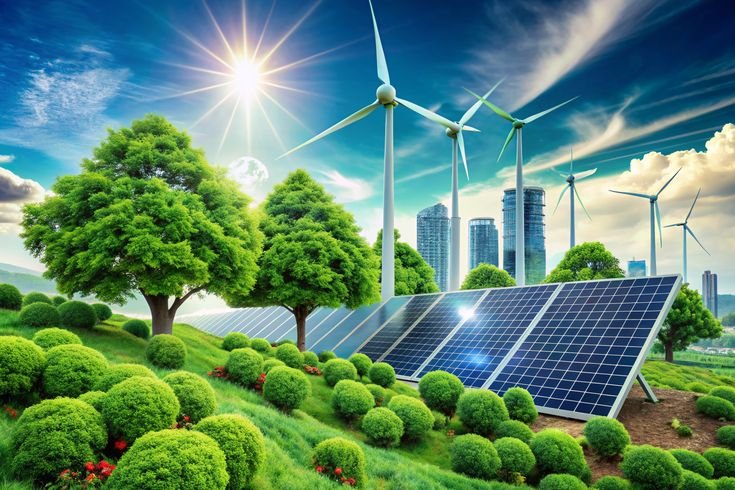
Solar energy technology generates heat or power from sunshine. While solar thermal systems store heat for various uses, solar photovoltaic panels immediately turn sunlight into energy.
Large solar farms, factories, commercial buildings, and residential rooftops all frequently have solar panels installed. They can lessen reliance on traditional power sources and lower electricity costs.
Solar energy can be very helpful in nations with lots of sunshine. Solar panels can be used by homeowners to power computers, lamps, fans, refrigerators, and other electrical equipment.
The following are the primary advantages of solar technology:
The production of renewable energy
Decreased dependence on fossil fuels
Potential long-term savings on electricity
Minimal emissions during operation
Applications for residences, companies, and sectors
However, sunlight, weather, system design, and panel orientation all affect how much solar energy is produced. When solar generation is insufficient, electricity may need to be supplied by batteries or grid connections.
Wind Energy Technology
Using wind turbines, wind energy technology transforms the flow of air into power. A generator generates electricity as the wind rotates the turbine blades.
Depending on the local topography and wind patterns, wind farms may be constructed offshore or on land. Through the electrical grid, they are able to provide electricity to residences, commercial buildings, and industrial sites.
Fuel burning is not necessary for the regular production of electricity using wind energy, a renewable resource. Additionally, it might aid in a nation’s energy supply diversification.
Among the significant benefits are:
Generation of power from renewable sources
Decreased carbon emissions from operations
Minimal gasoline expenses
Possibility of producing energy on a big scale
Encouragement of jobs in clean energy
However, wind availability is a prerequisite for wind power. Appropriate sites, meticulous planning, grid connections, and consideration of surrounding residents and wildlife are all necessary for projects.
Electric Vehicles and Green Transportation
Instead of only using traditional gasoline or diesel engines, electric cars also use electric motors. The electricity that powers the car is stored in their batteries.
Bicycles, motorbikes, electric automobiles, busses, and some commercial vehicles are examples of electric transportation. Their batteries are powered by charging stations.
When using an electric vehicle, no exhaust emissions are produced. The creation of electricity, automobiles, batteries, and battery recycling all affect their overall environmental impact.
Public transportation, walking, bicycling, and better urban design are further examples of green mobility. These methods can lessen air pollution, traffic jams, and fuel usage.
Among the main advantages are:
Decreased pollution from local tailpipes
Reduced reliance on gasoline and diesel
Possible fuel and maintenance cost savings
- Operating a vehicle quietly
Combining renewable energy sources
Purchase costs, infrastructure for charging, the expense of replacing batteries, and the availability of dependable electricity are obstacles.
Energy-Efficient Buildings
The goal of energy-efficient buildings is to reduce energy consumption without sacrificing interior comfort. Modern heating and cooling systems, energy-saving appliances, efficient lighting, and better insulation are a few examples.
Temperature and lighting can be changed based on occupancy and usage patterns by smart thermostats and building management systems. Unwanted heat transfer can also be decreased using efficient windows.
Green buildings can reduce operational expenses and electricity use. Additionally, they might lessen the strain on energy networks and enhance indoor comfort.
Typical instances consist of:
LED lighting fixtures
Air conditioners that use less energy
Roofs and walls that are insulated
Intelligent temperature regulators
Natural ventilation
Solar installations on rooftops
The local climate, building design, construction budget, and energy needs all influence the optimal solutions.
Waste Management and Recycling Technology
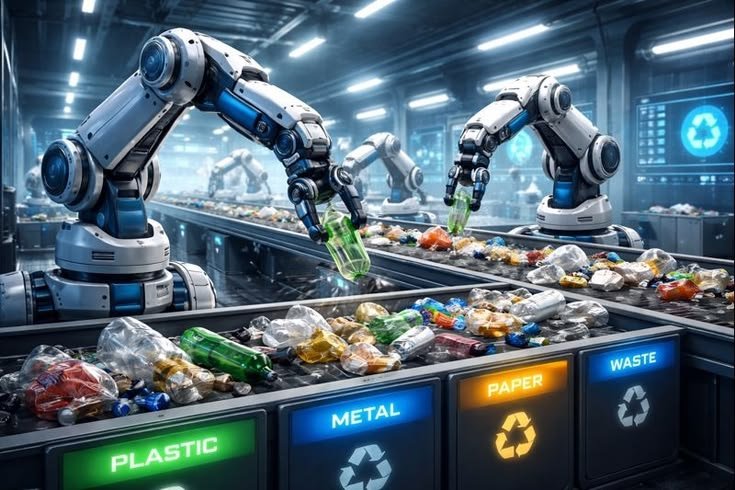
Materials that would otherwise be thrown away can be gathered, sorted, processed, and reused with the use of waste management technology. To separate various materials, modern recycling facilities use automated sorting systems, sensors, and mechanical equipment.
Paper, glass, metals, and some plastics can all be recovered through recycling. While some waste-to-energy facilities recover energy from garbage under regulated settings, composting systems convert acceptable organic waste into beneficial soil additives.
Green waste management can save resources utilized in the production of new goods and minimize needless disposal.
Among its main advantages are:
Decreased garbage going to landfills
Recovering valuable materials
Increased effectiveness of resources
Encouragement of circular economy systems
Possibilities for companies involved in recycling
Proper waste separation, appropriate infrastructure, public involvement, and ethical processing techniques are still necessary for effective recycling.
Water Conservation Technology
Water conservation technology makes it possible for people to use water more effectively and cut down on waste. It is especially crucial in areas where there is a drought, a shortage of water, or a growing need for clean water.
Rainwater harvesting systems, water-efficient appliances, smart irrigation, leak detection sensors, and wastewater treatment technology are examples of contemporary solutions.
Watering schedules can be modified by smart irrigation systems based on weather and soil moisture levels. When water leaks from pipes or plumbing systems, leak detection devices can notify consumers.
Homes, businesses, factories, schools, and agriculture can all benefit from water conservation technology.
Among its benefits are:
Decreased waste of water
Enhanced water management
Potential water bill savings
Improved agricultural irrigation efficiency
Encouragement of sustainable water resources
Certain systems need to be installed, maintained, and monitored consistently. On the other hand, suitable water-saving devices can be worthwhile long-term investments.
Battery Storage and Smart Energy Systems
Electricity is stored for later use using battery storage technology. It can assist homes and businesses in using solar energy after dusk or during times when demand for electricity is strong.
Smart energy systems enhance the production, storage, distribution, and consumption of power through the use of digital monitoring, sensors, and automated controls.
A household solar system with battery storage, for instance, can store extra electricity generated during the day for usage at nite. Additionally, smart meters can assist customers in comprehending their energy usage habits.
Among the crucial applications are:
The storage of renewable energy
Supporting the provision of electricity in the event of disruptions
Controlling the peak demand for electricity
Increasing the effectiveness of energy
Including renewable energy sources in electrical systems
Battery systems have several drawbacks, including as initial costs, storage capacity, material requirements, and potential recycling requirements. The cost of electricity, household consumption, and the state of the local grid all affect their suitability.
Major Benefits of Green Technology
Green technology serves society, the economy, and the environment. The technology employed, the manufacturing process, and the operating environment all affect its influence.
Reduced pollution is one of the main advantages. Emissions from the use of fossil fuels can be decreased by using cleaner vehicles and renewable electricity.
Increased resource efficiency is an additional benefit. Recycling programs, water-efficient irrigation, and energy-efficient appliances can all contribute to waste reduction and resource conservation.
Additionally, green technology can promote employment and innovation. Companies may create new goods, set up renewable energy systems, boost industrial productivity, and offer environmental services.
Additional advantages consist of:
Increased energy efficiency
Decreased reliance on fossil fuels
Possible long-term financial savings
Better handling of garbage
Increased sustainability in industrial processes
New business and employment prospects
Green technology is a crucial component of sustainable development because of these advantages.
Environmental Benefits of Green Technology
By lowering emissions, cutting waste, and enhancing the management of natural resources, green technology can contribute to environmental protection.
Systems using renewable energy can lessen the demand for power produced using fossil fuels. Roadside emissions can be decreased by electric vehicles, while energy demand can be reduced by efficient buildings.
Both the quantity of garbage dumped in landfills and the demand for certain raw materials can be decreased by recycling and reuse. Systems for conserving water can also aid in the preservation of freshwater resources.
However, green technologies are not completely free of environmental impacts. Solar panels, wind turbines, batteries, and electric vehicles require materials, manufacturing, transportation, and eventual disposal or recycling.
Economic Benefits of Green Technology
Green technology can create economic opportunities for households, businesses, and governments.
Solar panels and energy-efficient equipment may lower household electricity bills. By consuming less energy and using resources more wisely, businesses can increase their operational efficiency.
Engineers, technicians, installers, researchers, electricians, and environmental professionals are also in high demand due to green industries.
For instance, companies who install solar panels may provide their services to factories, residences, workplaces, and farms. Materials can be recovered and supplied to manufacturers by recycling firms.
However, initial expenses, financing alternatives, upkeep, local electricity pricing, and government laws all affect economic benefits. Before purchasing pricey systems, consumers should weigh the whole expenditures and anticipated savings.
Challenges of Green Technology
Green technology has a number of drawbacks despite its benefits.
High upfront costs: Energy-efficient building upgrades, solar panels, battery systems, and electric cars may all need a sizable initial outlay.
Infrastructure constraints: Some places don’t have enough modern electricity networks, recycling facilities, renewable energy connections, or charging stations.
Weather dependence: Depending on the weather and time of day, solar and wind energy production vary.
Material requirements: Raw materials for batteries and renewable energy devices must be acquired and processed ethically.
Technical expertise: Skilled workers are needed to install and maintain sophisticated systems.
Public awareness: Some consumers are unaware of how much they can actually save or which green technology are appropriate for their needs.
Through training, research, funding, public awareness, and improved infrastructure, communities, corporations, governments, and educational institutions may all contribute to addressing these issues.
Green Technology in Everyday Life
To support green technology, people do not need to possess expensive equipment. Energy consumption and waste can be decreased with a number of doable adjustments.
At home, people can purchase energy-efficient appliances, switch off equipment when not in use, and replace inefficient bulbs with LED lights.
Additionally, people can walk, bike, take public transportation, or, if practicable, share rides. Waste management can be enhanced by separating recyclables and cutting back on single-use items.
Additional beneficial acts consist of:
Putting in water-saving fixtures
Fixing leaking pipes and faucets
Using reusable bottles and shopping bags
Cutting back on needless electricity use
Investigating solar energy when suitable
Steer clear of wasteful and needless purchases
The best options are determined by household requirements, available services, price, and local infrastructure.
Green Technology in Businesses
Green technology can help businesses achieve sustainability objectives, lower operational costs, and enhance resource management.
Manufacturing firms can recover waste materials and install energy-efficient equipment. Digital document management, smart energy controls, LED lighting, and effective cooling systems can all be used in offices.
Businesses in agriculture can use equipment powered by renewable energy sources, effective irrigation, and soil monitoring. Retailers should enhance their recycling and packing processes.
To find opportunities for improvement, businesses should also keep an eye on trash production, water use, and energy consumption.
A company’s environmental performance may be improved by implementing green technology, but before making significant expenditures, companies should consider costs, anticipated outcomes, dependability, and maintenance needs.
The Role of Governments in Green Technology
By creating infrastructure, legislation, and research initiatives, governments may promote green technology.
They might create energy-efficiency guidelines, develop networks for charging electric vehicles, provide incentives for renewable energy, and fund public transportation.
Research into clean industrial processes, waste reduction, sustainable agriculture, and energy storage can also be funded by governments.
Workforce training and education are equally vital. To develop, install, maintain, and enhance green technology systems, skilled labor is required.
Affordability, dependability, environmental preservation, and equitable access to new technology should all be taken into account by effective legislation.
Green Technology and Renewable Energy
One of the most significant aspects of green technology is renewable energy. It includes naturally renewable energy sources like sunlight, wind, flowing water, and geothermal heat.
When operating, solar panels and wind turbines provide power without burning fossil fuels directly. While geothermal systems employ heat from beneath the Earth’s surface, hydropower uses flowing water to create electricity.
When renewable energy replaces energy sources with greater emissions, it can lower greenhouse gas emissions. However, transmission infrastructure, machinery, land or appropriate locations, and dependable methods to manage the supply and demand of electricity are also necessary for renewable electricity systems.
Energy storage, efficient electricity grids, and better demand management can help integrate variable renewable sources into the energy system.
The Future of Green Technology
Improvements in renewable energy, batteries, electric vehicles, building efficiency, and industrial processes are all likely to be part of the future of green technology.
Artificial intelligence has the potential to improve electricity distribution, forecast equipment faults, and optimize energy use. Air quality, industrial pollutants, and water use can all be tracked via smart sensors.
While new recycling techniques may assist recover important materials from discarded equipment, battery innovation may enhance energy storage capability.
Green hydrogen for specific industrial uses, low-carbon cement, sustainable agriculture, and sophisticated heat pumps are some more emerging fields.
Research, manufacturing capability, investment, governmental policy, and availability of dependable infrastructure will all influence the rate of advancement.
How Individuals Can Support Green Technology
By making wise decisions and promoting sustainable behaviors in their homes, businesses, and educational institutions, people can promote green technology.
Determine where you consume the most water and power first. Increasing productivity in these areas can frequently yield useful advantages without necessitating significant adjustments.
Compare energy ratings, warranties, anticipated lifespan, maintenance costs, and disposal choices before making a green product purchase.
Additionally, you can learn about local renewable energy options, utilize public transit when it is accessible, and support local recycling programs.
Through science projects, environmental clubs, and investigations into waste reduction or renewable energy, students can learn about green technologies.
When paired with broader advancements in public policy, infrastructure, and product design, small efforts become more impactful.
Conclusion
Green technology provides useful methods for lowering pollution, protecting natural resources, increasing energy efficiency, and promoting sustainable development. Important examples of this expanding industry include solar energy, wind power, electric cars, energy-efficient buildings, recycling systems, water conservation, and battery storage.
Even while obstacles like high upfront costs, infrastructural constraints, and material needs still exist, smart planning and ongoing research can increase the efficacy and accessibility of green solutions.
Governments, corporations, and individuals all have a part to play. Society may advance toward a cleaner and more sustainable future by selecting appropriate technology, cutting back on waste, and encouraging responsible innovation.
Frequently Asked Questions
- What is green technology?
Green technology refers to products, systems, and processes designed to reduce environmental harm, conserve resources, improve efficiency, and support sustainability.
- What are five examples of green technology?
Five examples are solar panels, wind turbines, electric vehicles, energy-efficient appliances, and recycling systems.
- What are the main benefits of green technology?
The main benefits include reduced pollution, better energy efficiency, resource conservation, improved waste management, and potential long-term economic savings. - Is green technology expensive?
Some green technologies require high initial investment, but others are relatively affordable. Long-term savings depend on installation costs, energy prices, maintenance, and usage.
- What is the future of green technology?
The future may include more efficient renewable energy systems, improved batteries, smart electricity grids, electric transportation, advanced recycling, and low-carbon industrial processes.