- Introduction to Intelligent Road Safety Systems
- What Are Intelligent Road Safety Systems?
- How Intelligent Road Safety Systems Work
- Types of Intelligent Road Safety Systems
- Seven Powerful Benefits
- Common Uses and Applications
- Technologies Used in Road Safety
- Challenges and Limitations
- Future Trends
- Conclusion and FAQs
Introduction to Intelligent Road Safety Systems
Road safety is an important part of modern transportation. Every day, millions of people use roads to travel to work, school, hospitals, and other destinations. However, traffic accidents, speeding, distracted driving, and poor road conditions can put lives at risk.
Thank you for reading this post, don't forget to subscribe!Technology is helping make roads safer through intelligent road safety systems. These systems use artificial intelligence (AI), cameras, sensors, GPS, and communication networks to monitor traffic, identify dangerous situations, and support faster responses.
Intelligent road safety technology can help drivers make better decisions, assist traffic authorities, and reduce the risk of accidents. As cities become smarter and transportation systems become more connected, these technologies are becoming increasingly important.
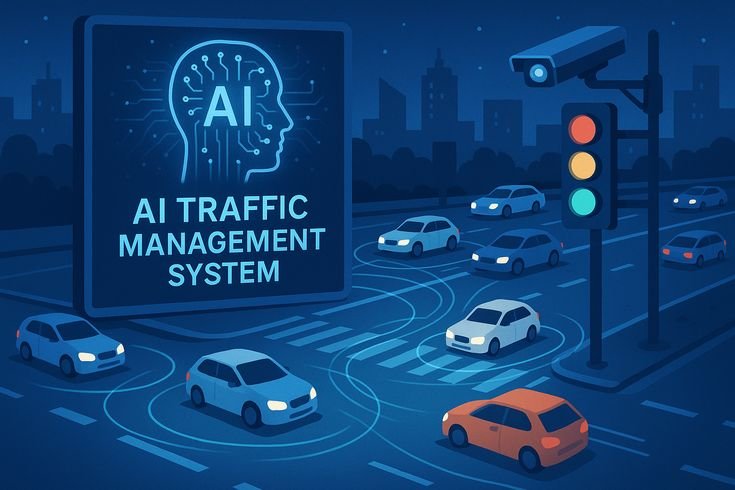
What Are Intelligent Road Safety Systems?
Intelligent Road Safety Systems are technology-based solutions designed to improve road safety and reduce traffic accidents. They collect and analyze information about vehicles, drivers, pedestrians, and road conditions.
These systems can detect speeding, identify potential collisions, monitor traffic signals, and provide warnings about dangerous situations.
For example, a smart camera can detect a vehicle moving too fast near a school crossing. A connected warning system can then alert drivers or traffic authorities so that appropriate action can be taken.
The main purpose is to prevent accidents before they happen and make transportation safer for everyone.
How Intelligent Road Safety Systems Work
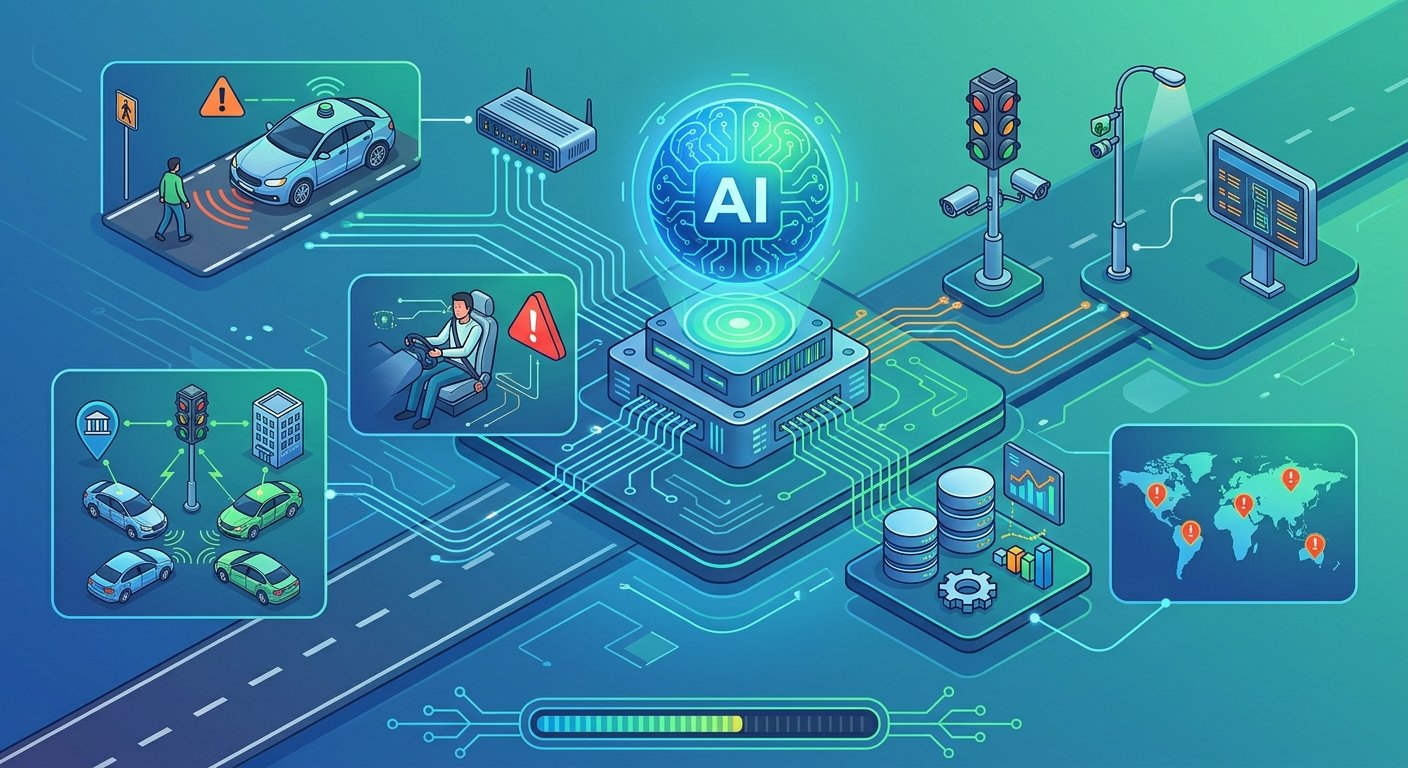
Intelligent road safety systems combine different technologies to monitor roads and identify risks.
Step 1: Data Collection
Cameras, road sensors, GPS devices, and connected vehicles collect information about traffic movement, vehicle speed, and road conditions.
Step 2: Data Processing
Computer systems and AI software analyze the collected information to identify unusual activities and possible dangers.
Step 3: Risk Detection
The system detects problems such as speeding, sudden braking, traffic congestion, and potential collisions.
Step 4: Alerts and Warnings
Drivers and traffic authorities may receive warnings through digital signs, mobile applications, or vehicle notification systems.
Step 5: Safety Improvement
Traffic authorities can use the information to manage traffic, improve road planning, and respond to dangerous situations.
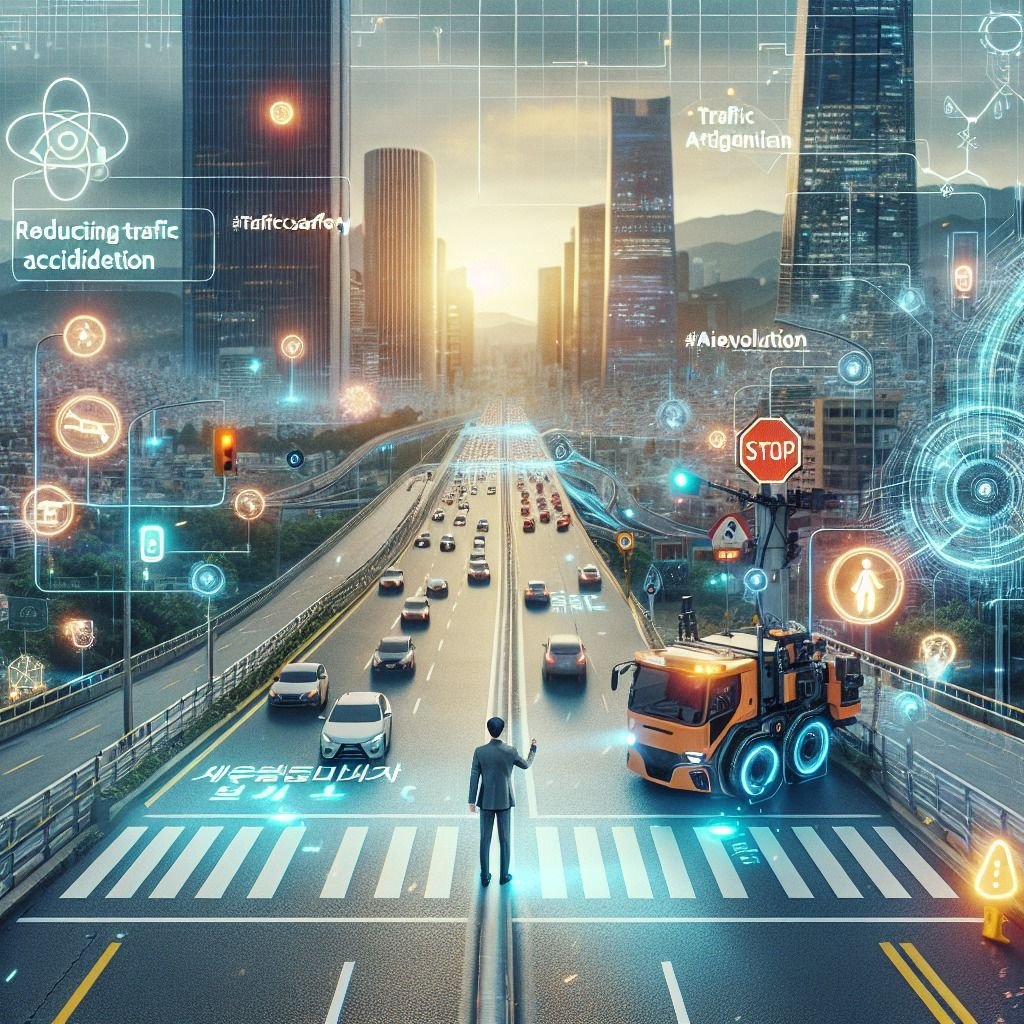
Types of Intelligent Road Safety Systems
There are several types of intelligent systems that help protect drivers, passengers, cyclists, and pedestrians.
- Intelligent Speed Monitoring Systems
These systems monitor vehicle speeds using cameras, radar, and sensors. They can identify vehicles exceeding speed limits and help authorities enforce traffic rules. Smart speed monitoring is especially useful near schools, hospitals, and busy roads. - Automatic Emergency Braking Systems
Automatic Emergency Braking (AEB) uses cameras, radar, or other sensors to detect possible collisions. When a driver does not respond in time, the system can apply the brakes to help avoid or reduce the impact of a crash. - Lane Departure Warning Systems
Lane departure warning systems monitor road markings and alert drivers when their vehicles unintentionally move out of their lanes. Some advanced systems can also provide steering assistance. - Smart Traffic Signal Systems
Smart traffic signals use sensors and traffic data to adjust signal timing according to road conditions. They can help manage busy intersections, reduce unnecessary waiting, and improve traffic flow. - Pedestrian Detection Systems
Pedestrian detection systems use cameras and sensors to identify people near moving vehicles. Some systems warn drivers or activate automatic braking when a pedestrian is at risk. - Blind Spot Detection Systems
Blind spot detection systems monitor areas around a vehicle that may not be visible in its mirrors. They alert drivers when another vehicle is approaching in a blind spot, particularly during lane changes. - Road Condition Monitoring Systems
These systems use sensors and weather information to monitor road conditions such as rain, ice, flooding, and poor visibility. They can send warnings to drivers and transportation authorities about potentially dangerous routes.
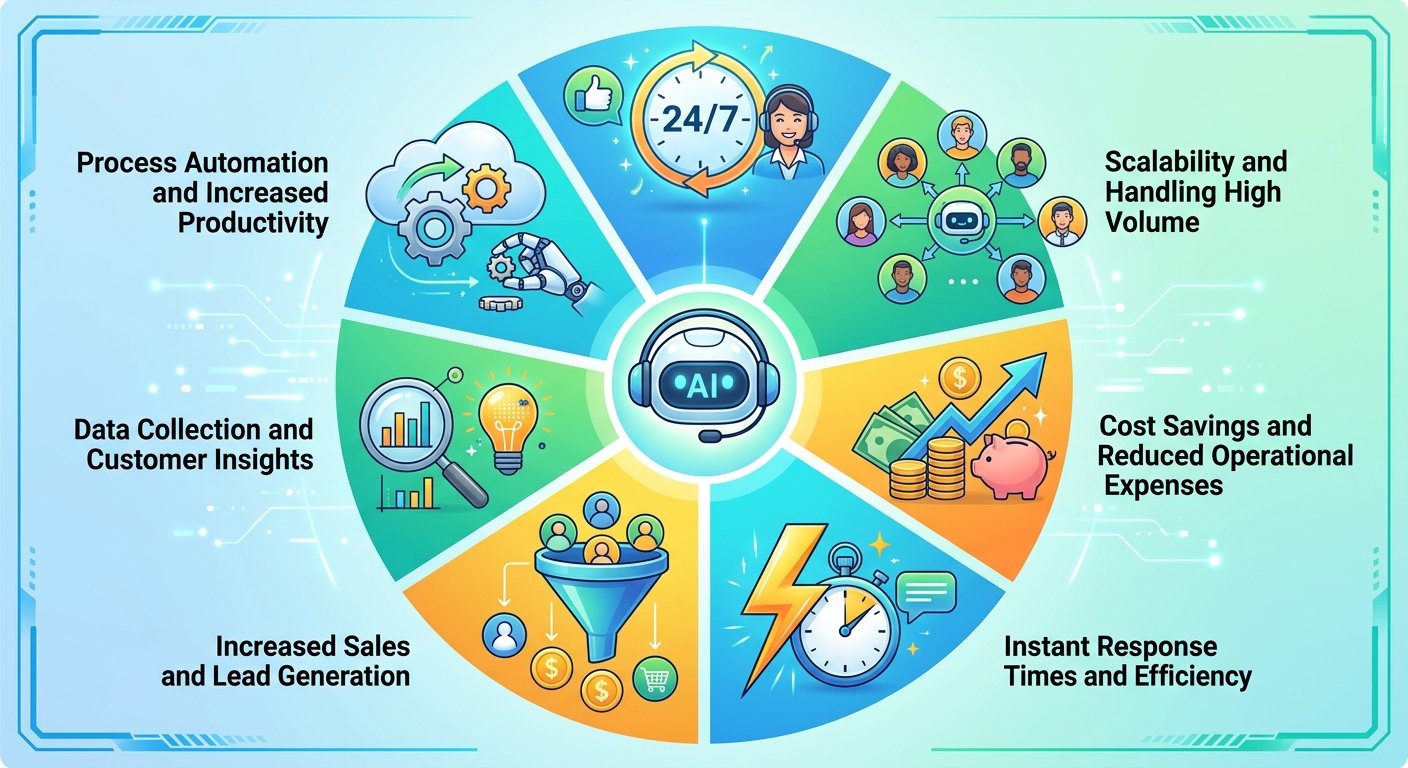
Seven Powerful Benefits of Intelligent Road Safety Systems
Help Reduce Traffic Accidents
One of the biggest benefits is the ability to identify dangerous situations early. Collision warnings, automatic braking, and speed monitoring can help drivers avoid some accidents or reduce their severity.
- Improve Driver Awareness
Intelligent systems provide real-time alerts about lane changes, nearby vehicles, pedestrians, and road hazards. These warnings help drivers stay aware of their surroundings.
- Protect Pedestrians and Cyclists
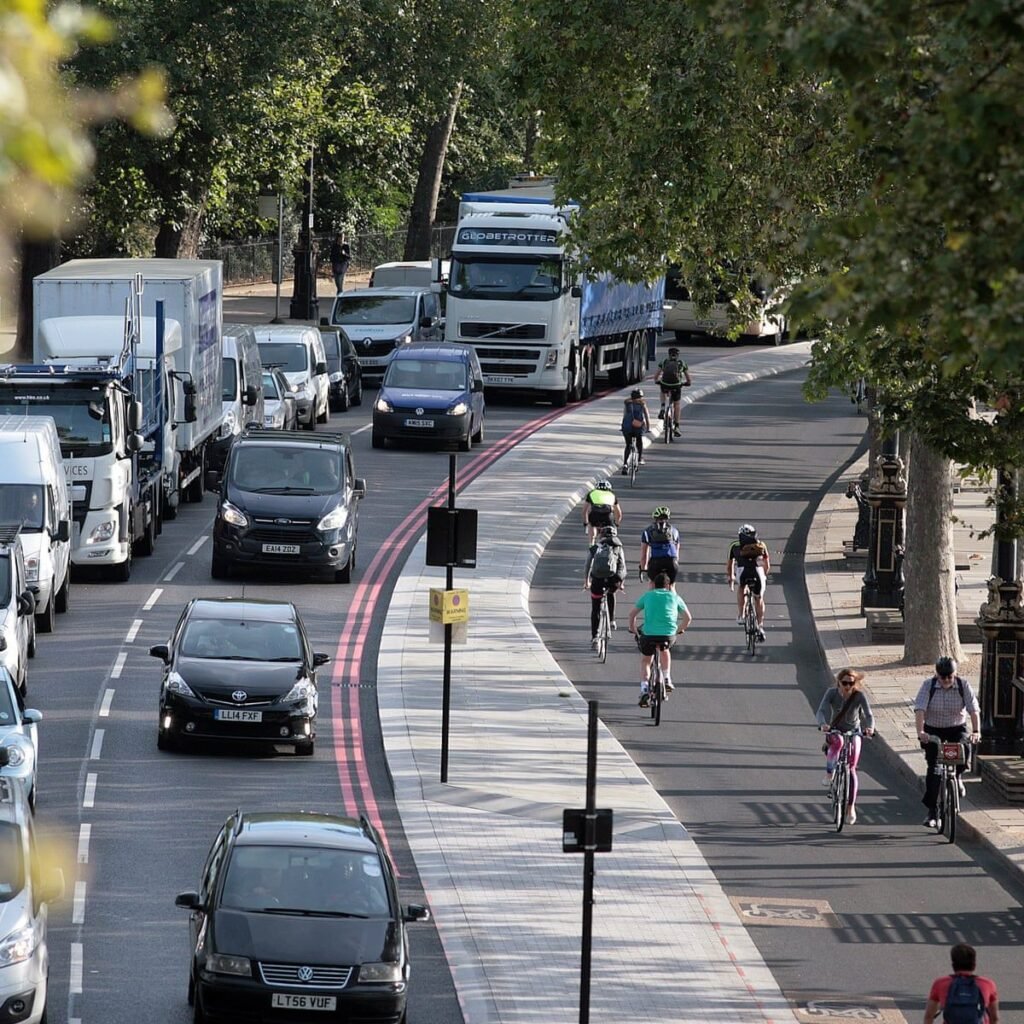
Pedestrian detection, smart crossings, and connected warning systems can help protect people who walk or cycle near roads.
- Support Better Traffic Management
Traffic cameras and smart signals provide useful information about road conditions. Authorities can use this information to manage congestion and improve traffic movement.
- Encourage Safer Driving Habits
Speed monitoring and driver alerts encourage people to follow speed limits, maintain safe distances, and pay attention while driving.
- Improve Emergency Response
Connected systems can help identify accidents and share location information with emergency services. Faster communication may support a quicker response.
- Support Smart and Sustainable Cities
Intelligent road safety systems can become part of smart city infrastructure. Better traffic management may reduce unnecessary delays and vehicle emissions caused by congestion.
Common Uses of Intelligent Road Safety Systems
Intelligent road safety technology is useful in many transportation environments.
- Highways: Speed monitoring, collision warnings, and incident detection help improve safety on busy roads.
- School Zones: Speed cameras and pedestrian detection can support safer areas around schools.
- Urban Roads: Smart signals and traffic cameras help authorities manage busy intersections.
- Pedestrian Crossings: Smart crossing signals can detect pedestrians and improve crossing safety.
- Public Transportation: Driver assistance and vehicle monitoring can support safer bus and fleet operations.
- Parking Areas: Cameras and sensors can help drivers detect pedestrians and other vehicles.
- Emergency Routes: Traffic monitoring can help authorities identify incidents and coordinate emergency responses.
7. Technologies Used in Intelligent Road Safety
Several modern technologies work together to improve road safety.
| Technology | Main Purpose |
|---|---|
| Artificial Intelligence (AI) | Identifies risks and analyzes traffic |
| Internet of Things (IoT) | Connects vehicles and road sensors |
| GPS Technology | Tracks vehicle locations |
| Smart Cameras | Monitors traffic and detects violations |
| Radar Sensors | Detects nearby vehicles and obstacles |
| 5G Communication | Supports faster data exchange |
| Machine Learning | Helps systems recognize traffic patterns |
Challenges of Intelligent Road Safety Systems
Although intelligent road safety systems offer many benefits, they also have some challenges.
- High Installation Costs: Smart cameras, sensors, and communication networks can be expensive to install.
- Data Privacy: Collecting vehicle and location information creates privacy concerns.
- Cybersecurity Risks: Connected systems may face hacking and unauthorized access.
- Technical Problems: Sensors and cameras may not work correctly in every weather condition.
- Maintenance Requirements: Road safety equipment needs regular inspection and updates.
- Internet Connectivity: Some intelligent systems depend on reliable network connections.
- Public Awareness: Drivers need education to understand and use these technologies properly.
Addressing these challenges can help make intelligent transportation safer and more reliable.
Future Trends in Intelligent Road Safety Systems
The future of road safety will involve more advanced and connected technologies.
- AI-Based Accident Prediction
Artificial intelligence may help identify accident-prone areas by analyzing historical traffic information and current road conditions.
- Connected and Autonomous Vehicles
Vehicles will increasingly communicate with other vehicles and road infrastructure to share safety information and respond to potential hazards.
- Smart Road Infrastructure
Future roads may include advanced sensors, connected traffic signals, and digital warning systems to improve transportation safety.
- Advanced Driver Assistance Systems
More vehicles are expected to include features such as automatic emergency braking, lane assistance, and adaptive cruise control.
- 5G-Based Transportation Networks
Faster communication networks can support real-time information sharing between connected vehicles and transportation infrastructure.
- Intelligent Pedestrian Protection
Advanced cameras and sensors may improve pedestrian detection, smart crossings, and warnings near busy roads.
- Predictive Traffic Management
AI-powered systems may help traffic authorities predict congestion and dangerous conditions before they become serious problems.
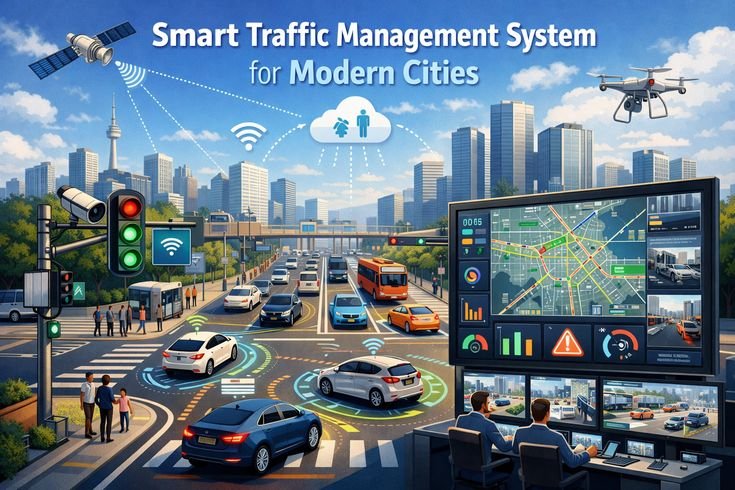
How Intelligent Road Safety Supports Smart Cities
Smart cities use digital technology to improve transportation, public services, and everyday life. Intelligent road safety systems are an important part of this development.
They help cities monitor traffic, improve road management, protect pedestrians, and support emergency services.
For example, a smart city can use connected traffic lights and road sensors to monitor busy intersections. If an accident occurs, the system can share information with traffic authorities and emergency responders.
By combining intelligent transportation with smart city infrastructure, communities can work toward safer and more efficient roads.
Conclusion
Intelligent Road Safety Systems are transforming modern transportation through artificial intelligence, smart cameras, sensors, GPS, and connected vehicle technology. These systems help detect road hazards, improve driver awareness, support traffic management, and protect pedestrians.
Although installation costs, privacy concerns, and technical challenges remain, continued technological development can make these systems more effective. Intelligent road safety will play an important role in building safer roads and smarter cities in the future.
Frequently Asked Questions (FAQs)
- What are Intelligent Road Safety Systems?
They are technology-based systems that monitor road conditions, detect potential dangers, and help prevent traffic accidents.
- What technologies are used in intelligent road safety?
Common technologies include AI, GPS, IoT, smart cameras, radar sensors, and machine learning.
- What are the main benefits of intelligent road safety?
The main benefits include accident prevention, improved driver awareness, pedestrian protection, and better traffic management.
- How does AI improve road safety?
AI analyzes traffic information, identifies possible hazards, and supports systems that warn drivers about dangerous situations.
- What is the future of intelligent road safety?
Future developments include connected vehicles, autonomous driving technology, AI-based accident prediction, and smart road infrastructure.