
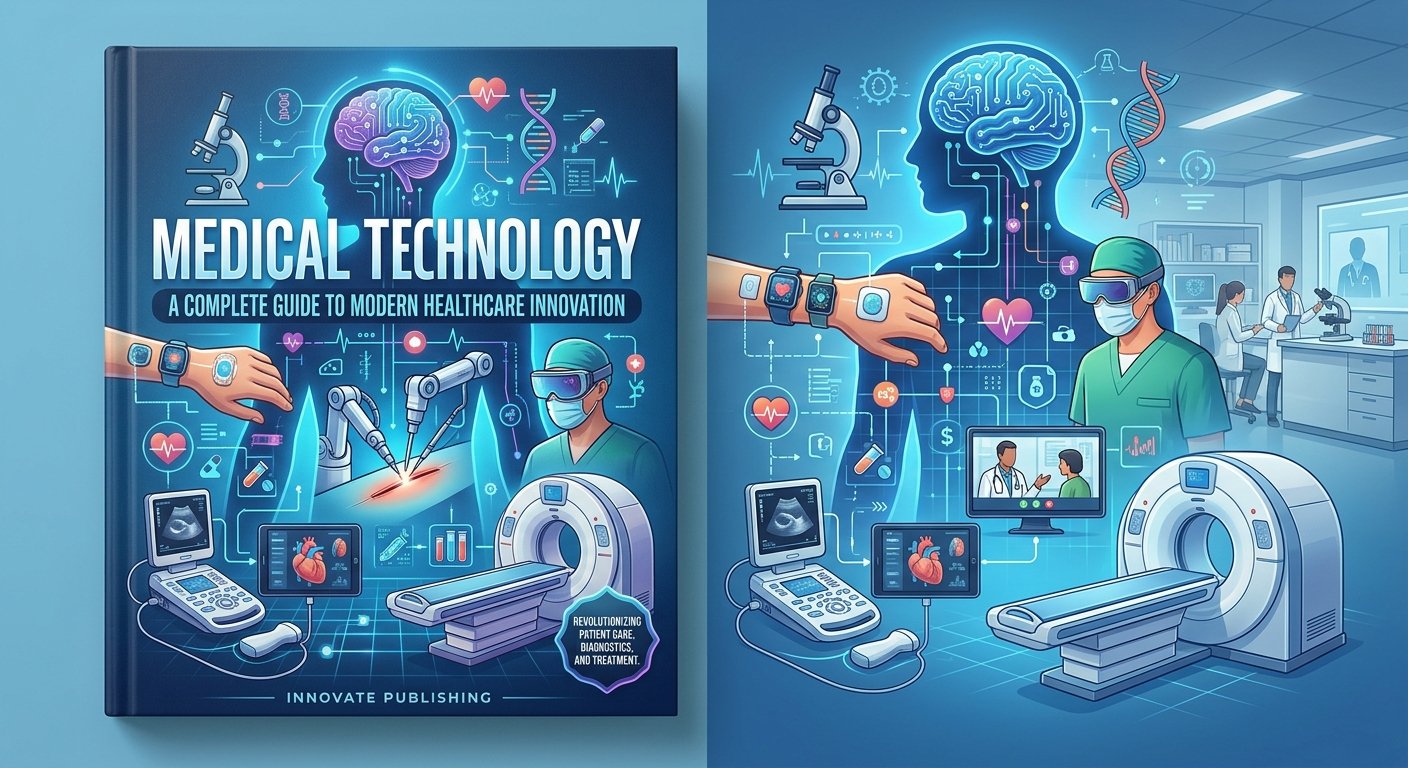
What Is Medical Technology?
Equipment, gadgets, systems, software, and other technical solutions used to prevent, diagnose, track, and treat medical disorders are referred to as technology. It encompasses an incredibly wide range of topics, from basic diagnostic tools to sophisticated imaging systems, implants, lab testing apparatus, surgical instruments, and linked digital healthcare platforms .The way medical professionals gather data, diagnose illnesses, keep an eye on patients, and administer treatment has all altered as a result of modern technology. Current market data indicates that global medical technology revenue is expected to reach over $670.70 billion in 2026, with medical devices accounting for the greatest portion at roughly $576.85 billion.
Why Technology Matters.
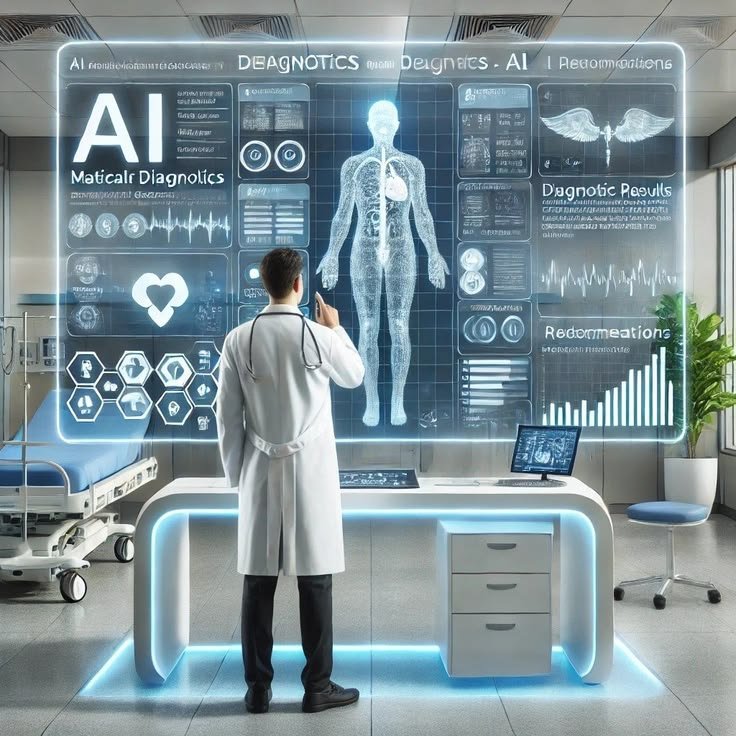
Because healthcare is continuously dealing with complex problems, expanding populations, elderly patients, chronic diseases, and the need for more accessible services is important. Throughout the course of a single patient’s care, a modern hospital may employ dozens of different technology systems. Therapeutic devices can support treatment, monitoring equipment can track changes, and diagnostic equipment can help diagnose a condition. By combining these technologies, healthcare can become more data-driven and interconnected.
Major Categories of Medical Technology
Technology is not a single invention or product. It consists of several categories that have various functions in the medical field. Diagnostic systems, medical imaging, patient monitoring, surgical instruments, lab technologies, wearable technology, digital health platforms, and assistive technologies are among the main categories. A distinct aspect of the healthcare process is covered by each category.
Diagnostic Technology
Healthcare practitioners can diagnose illnesses and medical disorders with the aid of diagnostic equipment. Tools used to gather data about a patient’s health include blood analyzers, laboratory testing systems, electrocardiography devices, diagnostic sensors, and molecular testing technologies. When symptoms are insufficient to reveal what is going on inside the body, these technologies can be quite helpful.
Medical Imaging Technology
Without depending solely on physical inspection, medical imaging enables medical personnel to evaluate inside body structures. CT, MRI, ultrasound, and X-ray technology are common examples. Applications for these devices include organ examination, injury identification, and treatment planning support.
Monitoring Technology
Important physiological data, including heart rate, blood pressure, oxygen saturation, temperature, and other clinical metrics, are measured by patient monitoring devices. Monitoring devices can be utilized in clinics, emergency rooms, surgery rooms, critical care units, and occasionally at home.
Surgical Technology
Surgical technology comprises tools and systems intended to support surgeons prior to, during, and following medical procedures. Surgical navigation systems, robotic-assisted systems, electrosurgical equipment, minimally invasive instruments, and customized implants are a few examples.
Digital Health Technology
Digital health technology supports healthcare through digital information systems, software, connected devices, and communication networks. This broad category includes telemedicine platforms, electronic health records, health applications, remote monitoring systems, digital therapy tools, and online consultation services.
How Medical Technology Improves Healthcare
Technology can improve healthcare by helping professionals collect information, perform procedures, communicate with patients, and monitor health conditions. Consider a patient who enters at a hospital with troubling symptoms. Diagnostic technology may provide laboratory information, imaging equipment may reveal internal abnormalities, monitoring equipment may track vital signs, and digital systems may allow different departments to share relevant information.
Faster Diagnosis and Treatment
One significant benefit of contemporary technology is speed. Certain healthcare workflows can be sped up with automated laboratory systems, digital imaging, electronic recordkeeping, and linked diagnostic platforms. When the required clinical data is available, quicker access to information can enable medical teams to start the right course of treatment sooner.
Artificial Intelligence in Medical Technology
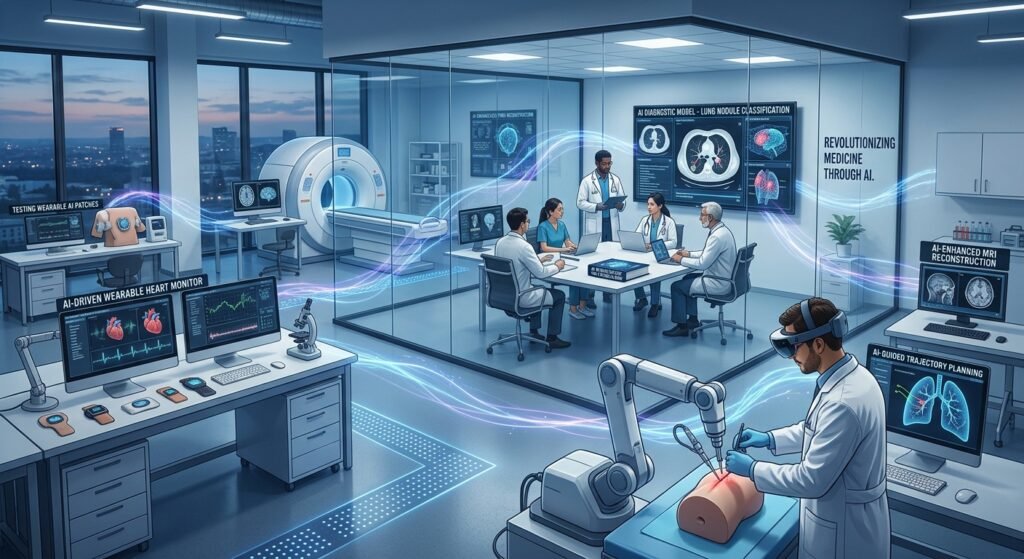
Medical technology is growing more and more dependent on artificial intelligence, especially in fields that deal with massive volumes of data. Image analysis, pattern recognition, workflow automation, predictive modeling, and other tasks can all be aided by AI-based systems. Applications in radiology, pathology, monitoring, medication development, and clinical decision support are being investigated by research and industry development.
Wearable Medical Devices
Health monitoring is now more accessible outside of conventional healthcare settings because to wearable technology. Fitness trackers, wearable sensors, smartwatches, and other specialized monitoring devices can gather data on heart rate, sleep, physical activity, and other metrics. While some devices are made specifically for medical needs, others are made solely for wellbeing.
Telemedicine and Remote Healthcare
Through the use of communication technology, telemedicine connects patients and medical providers without the need for both parties to be in the same physical area. Remote healthcare delivery can be facilitated by digital appointment scheduling, video consultations, remote follow-ups, and connected monitoring.
Benefits of Modern Medical Technology
The capacity of medical technology to facilitate early diagnosis and well-informed decision-making is one of its main advantages. While monitoring systems can offer regular data, diagnostic equipment might provide information that would not be apparent from a simple examination. Digital records can aid in information organization, and linked systems can facilitate the movement of pertinent data between approved healthcare providers.
Challenges of Medical Technology
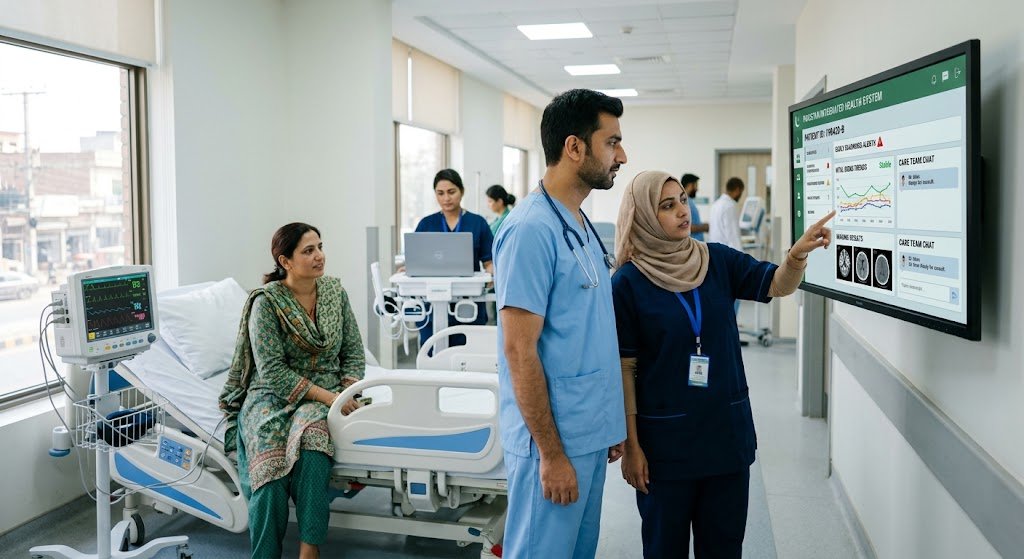
There are difficulties with medical technology as well. Cost, upkeep, employee education, cybersecurity, privacy, interoperability, legal requirements, and equipment availability are all factors that healthcare businesses need to take into account. If a hospital is unable to properly maintain a technologically complex system or if staff members lack the necessary training, the system’s value may be limited.
In emerging healthcare markets, affordability might be particularly crucial. According to the U.S. International Trade Administration, the medical devices industry in Pakistan is predicted to increase by 12–15% annually over the next five years, with an estimated value of $700 million in 2025. It also highlights the significance of supply chains, regulatory procedures, and affordability by pointing out that over 90% of medical gadgets are imported.
Future of Medical Technology
More automation, connectivity, and interaction between digital and physical systems are probably in store for the future of technology. Information may now flow between patients, devices, applications, hospitals, and medical personnel thanks to the growing connectivity of healthcare technology. Among the fields getting a lot of interest are AI-assisted analysis, improved imaging, remote monitoring, less invasive procedures, and digital therapy platforms.
The shift of some healthcare operations from hospitals to homes and community settings is another significant trend. Some forms of care may be more adaptable thanks to digital consultations and remote monitoring. Practical concerns including cost, regulation, cybersecurity, clinical validation, and fair access will also need to be addressed by medical technology.
Medical Technology in Pakistan
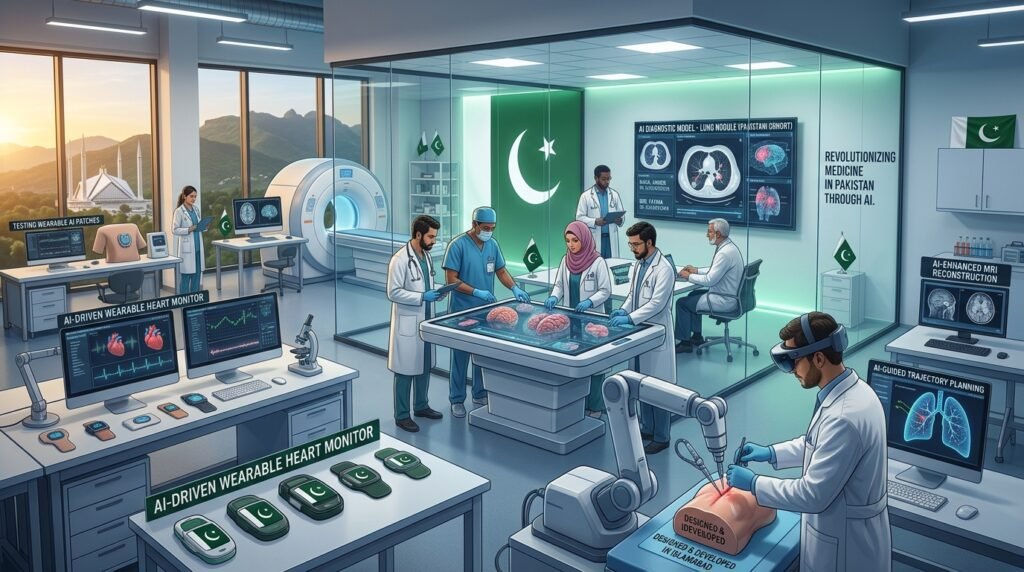
Alongside more general advancements in digital health and healthcare infrastructure, Pakistan’s medical technology industry is growing. Due to the country’s large population, there is a need for laboratory systems, medical imaging, monitoring devices, diagnostic equipment, and reasonably priced healthcare technologies. According to current industry data, opportunities include molecular diagnostics, telemedicine, medical imaging, laboratory equipment, diagnostic systems, and critical care technology.
Conclusion
One of the most crucial components of contemporary healthcare is medical technology. Numerous phases of prevention, diagnosis, monitoring, and treatment are supported by technology, including wearable technology, telemedicine, surgical systems, medical imaging, diagnostic equipment, and digital health platforms. According to recent market data, the global industry is still growing, and new approaches to healthcare delivery are being made possible by digital health and connected medical technologies.